
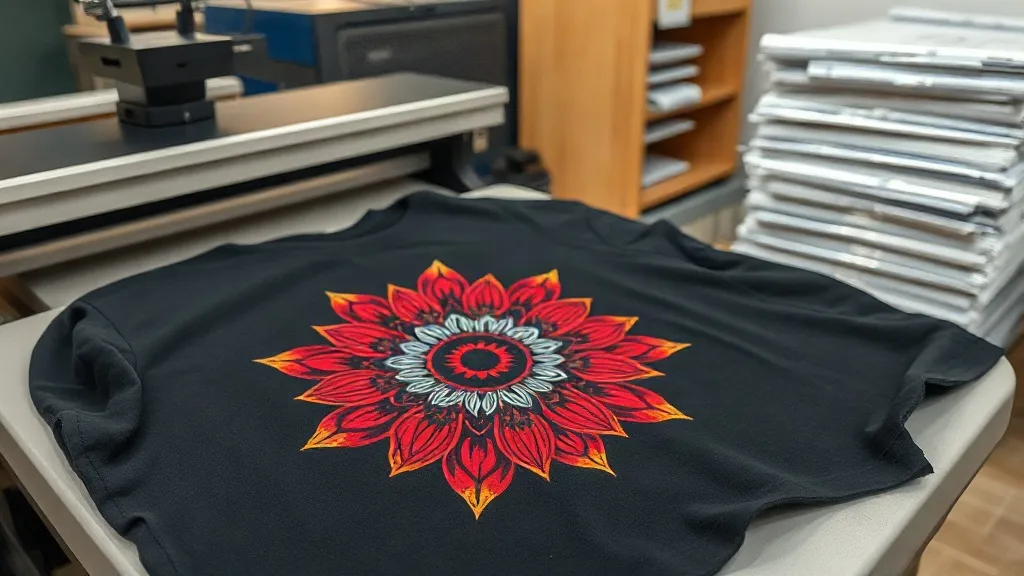
When you walk into a custom apparel shop, you might notice vibrant, detailed prints on everything from t-shirts to tote bags. Many of these are created using dtf transfers, a technology that has quietly revolutionized the garment decoration industry. Unlike traditional methods that require specialized equipment or limit your color choices, dtf transfers bring full-color, durable designs to almost any fabric with surprising ease. In this guide, we'll explore what DTF transfers are, how they work, and why they might be the perfect solution for your next project.
What Are DTF Transfers?
DTF stands for Direct-to-Film. It's a printing process where your design is printed onto a special film, then coated with a powder adhesive, and finally heat-pressed onto the fabric. The result is a soft, stretchable print that bonds permanently to the material. Unlike DTG (Direct-to-Garment) printing, which requires the garment to be pre-treated and can be finicky with dark colors, DTF transfers work on virtually any fabric, including cotton, polyester, blends, and even nylon.
Why Choose DTF Transfers?
There are several compelling reasons why DTF transfers have become a go-to for small businesses and hobbyists alike. First, the color vibrancy is exceptional. Because the design is printed on film and then transferred, you get bright, saturated colors that pop, even on dark garments. Second, DTF transfers are incredibly durable. When applied correctly, they withstand repeated washing without fading, cracking, or peeling. Third, the process is versatile: you can print on areas that are difficult with other methods, like over seams or zippers. Finally, DTF transfers are cost-effective for short runs. You don't need expensive setup fees or minimum order quantities, making them ideal for one-off custom pieces or small batches.
How DTF Transfers Work: Step by Step
Understanding the process helps you appreciate the craftsmanship behind each print. Here's a breakdown of the DTF transfer workflow:
- Design Preparation: Your artwork is prepared digitally, ensuring it's in the correct format and resolution. Colors are adjusted for optimal printing.
- Printing: The design is printed onto a special PET film using a DTF printer with pigment inks. The printer lays down a base layer of white ink, followed by the color layers.
- Powder Application: While the ink is still wet, a hot-melt adhesive powder is applied evenly over the printed area. Excess powder is shaken off.
- Curing: The film is then heated to melt the powder, creating a solid adhesive layer that will bond with the fabric.
- Heat Pressing: The transfer is placed on the garment and pressed with a heat press at a specific temperature and pressure for a set time. After cooling, the film is peeled away, leaving the design bonded to the fabric.
Each step requires precision, but with practice, the process becomes second nature. Many small shops invest in a DTF printer and heat press to bring this capability in-house, while others order pre-printed transfers from specialized suppliers.
DTF Transfers vs. Other Printing Methods
How does DTF stack up against screen printing, DTG, and vinyl? Let's compare:
- Screen Printing: Excellent for large orders with few colors, but setup costs are high and color changes are expensive. DTF excels at full-color, detailed designs with no setup fees.
- DTG: Great for cotton, but requires pre-treatment and can be less vibrant on dark shirts. DTF works on more fabrics and produces brighter colors.
- Vinyl (HTV): Good for simple shapes and text, but not for complex gradients or photos. DTF handles intricate details and photographic images with ease.
For small businesses that offer a variety of designs, DTF transfers provide the flexibility to take on any job without investing in multiple technologies.
Finding Quality DTF Transfers Near You
If you're not ready to invest in your own DTF printer, you can order custom transfers from suppliers. When searching for dtf transfers near me, consider these factors: reputation, turnaround time, and print quality. Look for suppliers who use high-quality inks and films, and who provide clear instructions for application. Reading reviews and requesting samples can save you from costly mistakes. Many suppliers offer gang sheets, where multiple designs are printed on a single sheet to save money, which is perfect for small shops.
Applications of DTF Transfers
DTF transfers are not just for t-shirts. They're used on hoodies, hats, bags, and even shoes. Because the transfer is flexible, it moves with the fabric without cracking, making it ideal for stretchy materials like spandex and athletic wear. You can also apply DTF transfers to canvas, denim, and leather (with some limitations). The possibilities are endless, limited only by your imagination.
Tips for Successful DTF Transfer Application
To ensure your DTF transfers look great and last long, follow these tips:
- Preheat the Fabric: Remove moisture and wrinkles by pressing the garment for a few seconds before applying the transfer.
- Use the Right Settings: Follow the supplier's recommended temperature, pressure, and time. Typically, it's around 300°F to 325°F for 10-15 seconds.
- Peel Cool: Most DTF transfers require cooling completely before peeling the film. This prevents the design from stretching or distorting.
- Post-Press: After peeling, press the design again for a few seconds with a protective sheet to embed the ink into the fabric fibers.
- Wash Inside Out: To prolong the life of the print, wash garments inside out in cold water and avoid harsh detergents.
Common Mistakes to Avoid
Even experienced users can run into issues. Here are some pitfalls to watch out for:
- Insufficient Pressure: Without enough pressure, the transfer won't adhere properly, leading to peeling.
- Too Much Heat: Overheating can cause the film to melt or the adhesive to become too sticky, making peeling difficult.
- Not Pre-Pressing: Skipping the pre-press can trap moisture, causing bubbles or poor adhesion.
- Peeling Too Soon: Peeling while hot can stretch the design. Always wait for it to cool.
By avoiding these mistakes, you'll achieve professional-looking results every time.
Is DTF Printing Right for Your Business?
If you run a small apparel business or enjoy crafting, DTF transfers offer a low-barrier entry into custom printing. The equipment costs are lower than screen printing, and the learning curve is manageable. You can start with a basic DTF printer and heat press, or outsource transfers to a supplier. As your business grows, you can scale up with more advanced equipment. The key is to experiment, learn from each project, and refine your process.
Frequently Asked Questions
How long do DTF transfers last?
With proper application and care, DTF transfers can last as long as the garment itself. They withstand 50+ washes without significant fading or cracking.
Can I use DTF transfers on 100% polyester?
Yes, DTF transfers work well on polyester and polyester blends. In fact, they often adhere better to synthetic fabrics than some other methods.
Do I need a special printer for DTF?
Yes, a DTF printer is required to print the designs onto film. However, you can purchase pre-printed transfers from suppliers if you don't want to invest in a printer.
What is the difference between DTF and DTG?
DTF uses a film transfer process, while DTG prints directly onto the garment. DTF works on more fabrics and produces more vibrant colors on dark materials, while DTG is limited to cotton and requires pre-treatment.
Can I stretch DTF transfers?
DTF transfers are flexible and can stretch with the fabric without cracking, making them suitable for athletic wear and stretchy materials.
Whether you're a seasoned pro or just starting, DTF transfers open up a world of possibilities for custom apparel. With the right knowledge and tools, you can create stunning, durable prints that impress your customers and keep them coming back.