
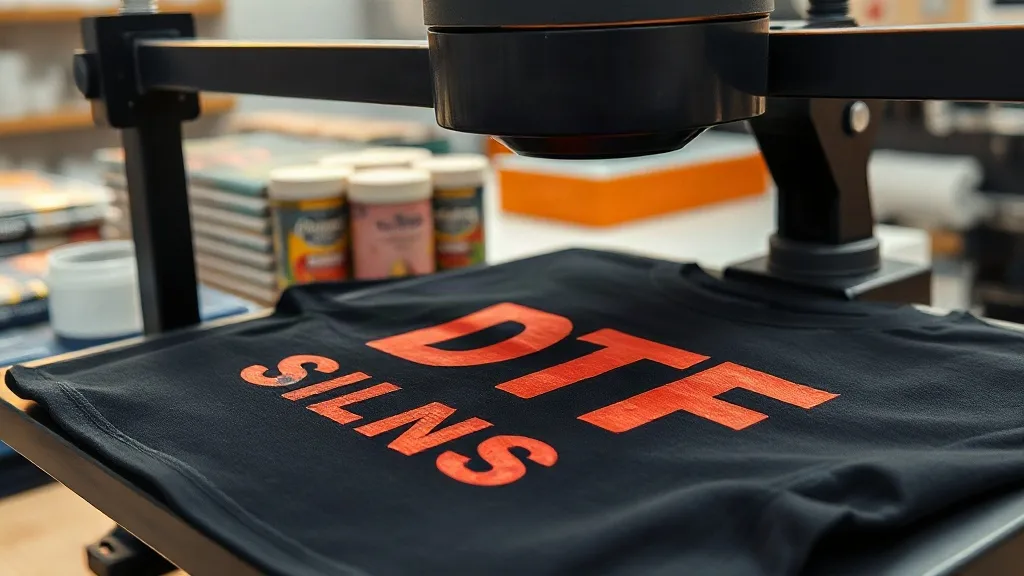
If you've been in the custom apparel game for any length of time, you've probably heard the buzz around dtf transfers. Maybe you're curious about switching from vinyl or screen printing, or perhaps you're just starting and want to invest in a method that won't limit your creativity. Either way, you're in the right place. This guide will walk you through everything you need to know about DTF printing, from the basics to pro-level tips that actually make a difference in durability and color vibrancy.
What Exactly Are DTF Transfers?
DTF stands for Direct to Film. It's a printing technology where your design is printed onto a special film, coated with a powder adhesive, and then heat-pressed onto fabric. Unlike DTG (Direct to Garment) which prints directly onto the shirt, DTF uses a transfer step. This might sound like an extra hassle, but it opens up a world of possibilities. You're not limited to cotton anymore. Polyester, blends, even tough-to-print fabrics like nylon and leather become fair game. The colors pop, the details are sharp, and the feel is surprisingly soft for a transfer.
How DTF Works: A Quick Breakdown
The process is straightforward but requires precision. First, your design is printed onto a PET film using specialized DTF inks. While the ink is still wet, a hot-melt adhesive powder is applied and shaken off. The film is then heated to melt the powder, creating a sticky layer that will bond with fabric. Finally, the transfer is placed on the garment and pressed with a heat press. Once cooled, you peel the film away, leaving a vibrant, durable print. The entire cycle takes just a few minutes per shirt, making it a favorite for small businesses and hobbyists alike.
Why DTF Transfers Are a Game-Changer for Your Business
You might be wondering: what's all the fuss about? Let's break down the advantages that make DTF a smart choice for anyone in the custom apparel industry.
Unmatched Versatility
One of the biggest headaches in garment printing is fabric compatibility. Vinyl works great on cotton but struggles with stretchy synthetics. Screen printing is cost-effective for large orders but a pain for small batches. DTF, on the other hand, adheres to almost any fabric. Whether you're printing on 100% cotton tees, polyester jerseys, or even canvas bags, DTF delivers consistent results. This means you can say yes to more customer requests without investing in multiple printing setups.
Cost-Effective for Small Runs
Setting up screen printing for a 10-shirt order? You'll pay for screens, setup time, and ink, which can eat into your margins. DTF transfers eliminate those setup costs. You print only what you need, and the per-unit cost stays reasonable even for one-off designs. For small businesses, this is a lifesaver. You can offer custom shirts without requiring a minimum order, giving you a competitive edge.
Vibrant Colors and Fine Details
DTF printers use high-quality pigments that produce rich, saturated colors. The technology also handles gradients, halftones, and fine lines with impressive accuracy. If your designs include intricate details or photorealistic images, DTF won't let you down. The transfer preserves the integrity of your artwork, so what you see on screen is what you get on the shirt.
Durability That Withstands Wash After Wash
No one wants a print that cracks after three washes. DTF transfers are known for their longevity. When applied correctly, the print stretches with the fabric and resists fading, peeling, and cracking. I've personally seen DTF prints survive dozens of wash cycles without noticeable wear. This reliability builds trust with your customers and reduces complaints.
Choosing the Right DTF Supplies
Not all DTF supplies are created equal. The quality of your film, powder, and ink directly affects the final outcome. Here's what to look for.
DTF Film: Hot Peel vs. Cold Peel
DTF film comes in two main types: hot peel and cold peel. Hot peel film allows you to remove the carrier sheet immediately after pressing while the transfer is still hot. Cold peel requires you to wait until the transfer cools down before peeling. Hot peel is faster and great for high-volume production, but cold peel often yields a slightly smoother finish. Your choice depends on your workflow and the look you're after.
Adhesive Powder: Fine vs. Coarse
The adhesive powder is what makes the transfer stick. Fine powder (around 80-100 microns) is ideal for detailed designs because it creates a thinner, more flexible bond. Coarse powder (150 microns and up) is more forgiving and works well for bold, simple graphics. Many printers keep both on hand and switch based on the design.
Inks and Printer Compatibility
DTF inks are specially formulated to work with the film and powder. Using third-party inks that aren't designed for DTF can lead to clogs, poor adhesion, and faded colors. Stick with reputable brands and ensure your printer is properly converted for DTF use. If you're outsourcing your transfers, choose a supplier that uses high-quality inks and maintains their equipment regularly.
Step-by-Step: How to Apply DTF Transfers Perfectly
Getting a flawless DTF transfer isn't rocket science, but it does require attention to detail. Follow these steps to ensure a professional result every time.
- Preheat the garment: This removes moisture and wrinkles. Press for 5-10 seconds at 325°F (160°C).
- Position the transfer: Place the DTF transfer on the garment with the printed side facing up. The adhesive side should be in contact with the fabric.
- Press: Use medium pressure and press at 325°F (160°C) for 10-15 seconds. If you're using a cold peel film, let it cool completely before peeling.
- Peel the film: For hot peel, remove the film immediately in a smooth, steady motion. For cold peel, wait until it's cool to the touch.
- Post-press: Cover the transfer with a Teflon sheet or parchment paper and press again for 5-10 seconds to enhance durability.
Common Mistakes to Avoid
- Not preheating: Moisture in the fabric can cause the transfer to bubble or peel.
- Using too much pressure: This can cause the adhesive to bleed, resulting in a messy edge.
- Peeling too early or too late: Follow the film manufacturer's instructions. Hot peel films should be peeled immediately; cold peel films need to cool completely.
- Skipping the post-press: This step seals the edges and improves wash durability.
DTF vs. Other Printing Methods: A Quick Comparison
How does DTF stack up against the old favorites? Here's a snapshot.
DTF vs. Screen Printing
Screen printing is king for large orders of simple designs. It's fast and cost-effective at high volumes. But for complex designs or small batches, DTF wins. DTF requires no setup, handles full-color images effortlessly, and works on more fabrics. If you're doing 500 identical shirts, screen printing might be cheaper. For 50 shirts with a detailed graphic, DTF is the way to go.
DTF vs. Vinyl
Vinyl is great for simple text and shapes, but it can't handle gradients or fine details. It also feels heavier and doesn't stretch well. DTF transfers are softer, more flexible, and can reproduce any design. If you're tired of weeding tiny letters, DTF will feel like a liberation.
DTF vs. DTG
DTG prints directly onto the garment, which is great for 100% cotton. But DTG requires pretreatment, and the colors can be less vibrant on dark shirts. DTF works on dark colors without pretreatment and adheres to more fabrics. The choice often comes down to fabric and design complexity.
Where to Get DTF Transfers Near You
If you're not ready to invest in a DTF printer, you can order transfers from a supplier. Searching for dtf transfers near me will show local options that can print and ship your designs quickly. Local suppliers often offer faster turnaround and personalized service. When choosing a supplier, check their reviews, ask about their film and powder quality, and request a sample before committing to a large order.
Pro Tips for Scaling Your DTF Production
Once you've mastered the basics, you might want to ramp up efficiency. Here are some tips from experienced DTF printers.
- Organize your films: Label and store films in a dust-free environment. Dust can ruin the adhesive.
- Maintain your printer: Regular cleaning and maintenance prevent clogs and ensure consistent output.
- Use a heat press with even pressure: A quality press makes a huge difference in transfer quality.
- Test different fabrics: Always do a test press on a scrap piece of the fabric you're using, especially with blends.
- Invest in a powder shaker: Manual powder application can be messy and uneven. A shaker saves time and improves consistency.
Frequently Asked Questions About DTF Transfers
How long do DTF transfers last?
With proper application and care, DTF transfers can last 50+ washes without fading or cracking. Always wash inside out in cold water and avoid harsh detergents.
Can I use DTF transfers on dark shirts?
Absolutely. Unlike DTG, DTF doesn't require a white underbase, so it works beautifully on dark fabrics. The colors remain vibrant and opaque.
Do I need a special printer for DTF?
Yes, you need a DTF printer or a converted inkjet printer that uses DTF inks. Alternatively, you can order transfers from a supplier and apply them with a heat press.
What's the best way to store DTF transfers?
Store them in a cool, dry place away from direct sunlight. Keep them flat to avoid creasing. Use them within six months for optimal results.
Can I stretch a DTF print?
DTF prints have some stretchability, but they're not as elastic as the fabric itself. For stretchy fabrics like spandex, consider using a stretch additive or choosing a design with less coverage.
DTF transfers have revolutionized the custom apparel industry by making high-quality, full-color printing accessible to everyone. Whether you're a hobbyist or a growing business, mastering DTF can open up new creative and revenue opportunities. Remember, the key to success lies in quality supplies, precise application, and continuous learning. So go ahead, experiment with different fabrics and designs, and watch your prints come to life.