
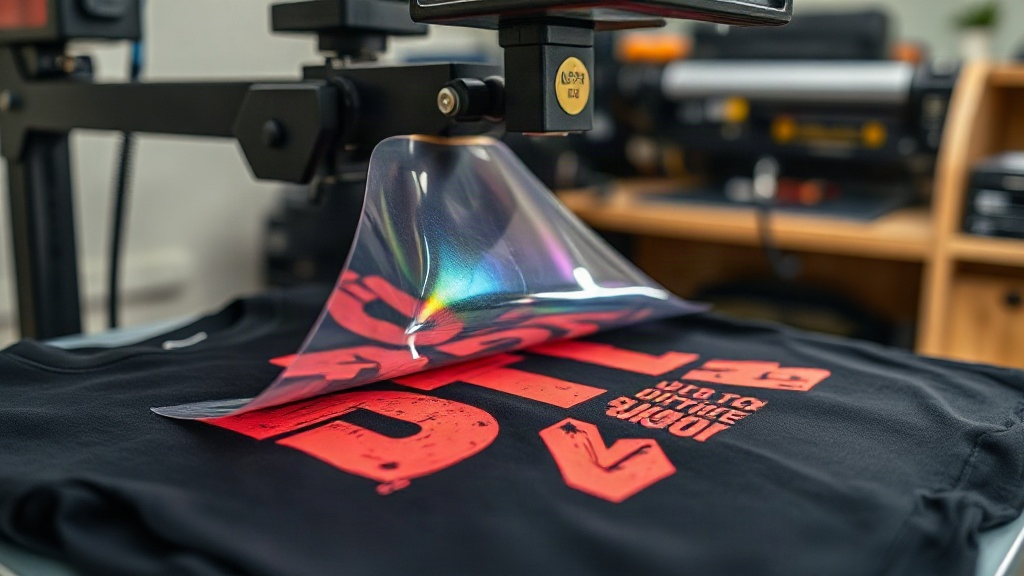
If you've been exploring custom apparel printing, you've likely heard about DTF Transfers. This technology has taken the garment decoration world by storm, offering vibrant colors, incredible detail, and unmatched versatility across different fabrics. Whether you're a small business owner, a hobbyist, or just curious about the latest printing trends, understanding DTF Transfers can open up a world of creative possibilities. In this guide, we'll walk you through everything you need to know, from the basics to advanced tips, so you can achieve professional results every time.
What Are DTF Transfers?
DTF stands for Direct to Film. Unlike DTG (Direct to Garment) printing, which prints directly onto the fabric, DTF printing involves printing your design onto a special film, coating it with a adhesive powder, and then transferring it onto the garment using a heat press. The result is a durable, stretchable print that bonds well to cotton, polyester, blends, and even some synthetic materials. This makes DTF Transfers a go-to choice for printing on diverse garment types, from t-shirts and hoodies to tote bags and caps.
How DTF Transfers Work: Step by Step
To appreciate the magic of DTF Transfers, it helps to understand the process. Here's a breakdown of the key steps:
- Design Preparation: Your artwork is prepared digitally, ensuring it's in the correct color mode (usually CMYK) and mirrored if necessary.
- Printing: A specialized DTF printer prints the design onto a PET film using CMYK inks plus white ink for opacity.
- Powder Application: While the ink is still wet, a hot-melt adhesive powder is sprinkled evenly over the print. Excess powder is shaken off.
- Curing: The film is then heated to melt the powder, creating a dry, tacky layer that will bond to the fabric.
- Transfer: The cured film is placed on the garment and pressed with a heat press. After cooling, the film is peeled away, leaving the design behind.
Each step is critical to achieving a high-quality transfer. Skipping or rushing any stage can lead to poor adhesion, dull colors, or a short lifespan.
Advantages of DTF Transfers
Why choose DTF Transfers over other methods? Here are some compelling reasons:
- Versatility: Works on a wide range of fabrics, including cotton, polyester, nylon, and blends.
- No Pre-Treatment: Unlike DTG, DTF doesn't require pre-treating the garment, saving time and chemicals.
- Vibrant Colors: The white ink base allows for bright, opaque prints on dark garments.
- Durability: When applied correctly, DTF prints withstand repeated washing without cracking or fading.
- Cost-Effective for Small Runs: No minimum order quantity, making it ideal for one-offs or small batches.
- Fine Detail: Capable of reproducing intricate designs with gradients and fine lines.
Choosing the Right DTF Transfer Film
Not all DTF films are created equal. The film you choose can significantly impact the final result. Look for films that offer:
- High Ink Receptivity: Ensures sharp, vibrant prints.
- Easy Peeling: Some films are hot-peel, others cold-peel. Cold-peel is generally more forgiving.
- Durability: Resists curling and doesn't tear during handling.
- Compatibility: Matches your printer and ink type (e.g., pigment or dye-based).
Experiment with different brands to find the one that suits your workflow best.
DTF Transfer Application Techniques
Applying DTF Transfers correctly is crucial for a professional finish. Here are the key parameters to master:
Temperature and Pressure
Most DTF transfers require a temperature between 300°F and 340°F (150°C to 170°C) and medium to high pressure. Always check the manufacturer's recommendations, as different films and adhesives may vary. Too much heat can scorch the fabric or cause the film to curl; too little heat results in poor adhesion.
Time
Press time typically ranges from 10 to 20 seconds. Again, follow the specific instructions for your transfer. Over-pressing can lead to a shiny, rigid print, while under-pressing leaves the design prone to peeling.
Peeling
After pressing, allow the transfer to cool completely before peeling (cold peel) or peel while hot (hot peel) depending on the film type. Cold peel is more common for DTF because it allows the adhesive to set properly, resulting in a smoother finish.
Common Mistakes to Avoid
Even seasoned printers can slip up. Watch out for these pitfalls:
- Insufficient Powder: Not applying enough adhesive powder leads to weak bonding. Ensure even coverage.
- Incorrect Curing: Under-curing the powder means the transfer won't stick; over-curing can burn the powder, causing flaking.
- Wrong Pressure: Too little pressure prevents the transfer from adhering; too much pressure can distort the design.
- Peeling Too Early or Too Late: Follow the film's instructions precisely to avoid stretching or incomplete transfer.
- Ignoring Fabric Type: Some fabrics (e.g., those with high spandex content) may require lower temperatures or special handling.
Caring for Your DTF Printed Garments
To ensure your DTF Transfers last as long as possible, follow these care tips:
- Wait at least 24 hours before washing.
- Turn the garment inside out before washing.
- Use cold water and a gentle cycle.
- Avoid bleach and fabric softeners, which can degrade the adhesive.
- Tumble dry on low or hang dry.
- Iron inside out, avoiding direct heat on the print.
With proper care, your DTF prints can survive dozens of washes without significant fading or cracking.
DTF vs. Other Printing Methods
How does DTF stack up against DTG, screen printing, and vinyl? Here's a quick comparison:
- DTF vs. DTG: DTF works on more fabrics, requires no pre-treatment, and often produces more vibrant colors on dark shirts. DTG is better for 100% cotton and very fine details.
- DTF vs. Screen Printing: Screen printing is more cost-effective for large orders but requires setup and is limited to simpler designs. DTF excels for complex, multi-color designs and small runs.
- DTF vs. Vinyl: Vinyl is great for simple text and shapes but can't handle gradients or photographic images. DTF handles full-color artwork with ease.
Frequently Asked Questions
How long do DTF transfers last?
With proper application and care, DTF transfers can last 50+ washes. The key is following the correct heat press settings and washing instructions.
Can I use DTF transfers on polyester?
Yes, DTF transfers work well on polyester and polyester blends. However, you may need to lower the temperature to avoid scorching or dye migration.
Do I need a special printer for DTF?
Yes, you need a DTF printer that uses DTF inks and can print white ink. Converted inkjet printers are available, or you can buy a dedicated DTF printer.
What is the best way to store DTF transfers?
Store them in a cool, dry place away from direct sunlight. Keep them flat or rolled, not folded, to prevent creases.
Can I stretch DTF prints?
DTF prints have some stretchability, but they are not as elastic as the fabric itself. For high-stretch fabrics, consider using a transfer with a stretchable adhesive or blend.
Mastering DTF Transfers takes practice, but the results are worth it. With the right equipment, techniques, and care, you can create stunning, durable apparel that stands out. So go ahead, experiment, and elevate your printing game.