
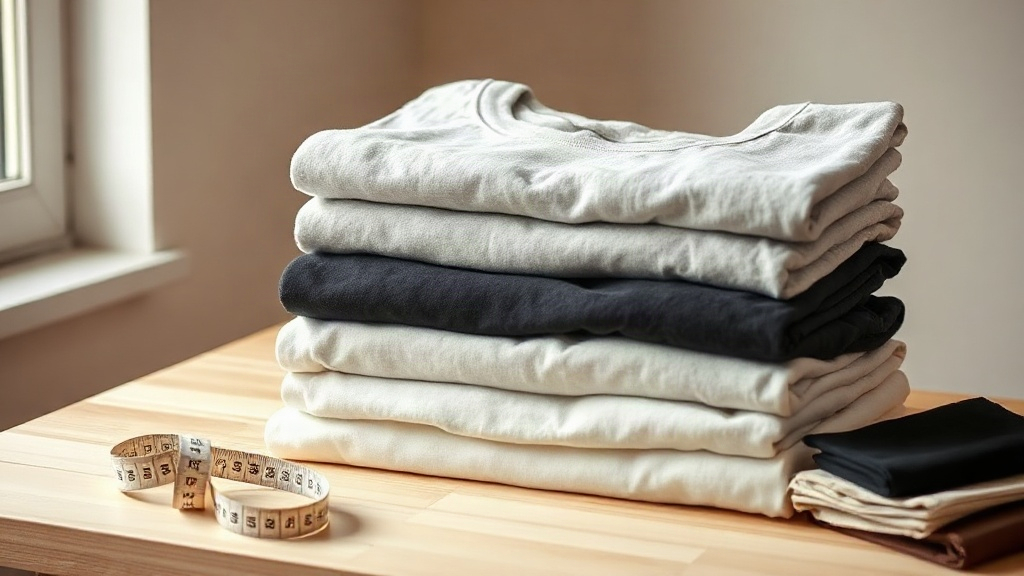
Walk into almost any screen printing shop on the West Coast and you will spot them: stacks of boxy tees in plain plastic bags, no flashy hangtags, no lifestyle photography on the wall. That quiet ubiquity is exactly why shaka wear has become a name people search for by brand rather than by style number. The label built its reputation on heavyweight cotton, a relaxed silhouette, and pricing that makes bulk ordering painless. But there is more nuance to the catalog than most buyers realize, and knowing it can save you money and a lot of returned inventory.
This guide comes from years of handling these blanks at the press, comparing them against other budget-friendly options, and watching how they hold up after fifty washes. If you are deciding between shaka wear and the other names on your shortlist, the details below should make that decision clearer.
What Shaka Wear Actually Is
Shaka Wear is a Los Angeles-based apparel brand that grew out of the local streetwear and print community. Its core identity is simple: solid blanks at a fair price, cut for a modern, roomy fit. The brand does not chase seasonal trends with elaborate graphics. Instead, it focuses on the fundamentals that matter when a garment is going to be printed, embroidered, or worn as a daily basic.
The catalog generally breaks down into a few categories:
- Short and long sleeve tees in several fabric weights
- Hoodies and crewneck sweatshirts in mid to heavy fleece
- Oversized and boxy cuts aimed at streetwear styling
- Youth and extended size options for family or team orders
What ties these together is consistency. A 6.5 oz tee today should feel like the 6.5 oz tee you bought last season, which matters enormously if you are reordering for a returning client or restocking a best-selling design.
Fabric Weight: The Number That Changes Everything
Most buyers fixate on color and size first, but fabric weight is the variable that determines how a shirt feels, drapes, and prints. Shaka Wear labels its tees by ounces per square yard, and the difference between a 5.2 oz and a 7.5 oz shirt is not subtle.
Lightweight (Around 5 to 5.5 oz)
These are your summer and layering shirts. They breathe well, dry quickly, and take a print cleanly without much ink penetration. The trade-off is structure: a lighter jersey drapes closer to the body and can feel thin against a dark backdrop. For retail-style merch where comfort is the priority, this is often the right call.
Midweight (Around 6 to 6.5 oz)
This is the sweet spot for most print shops. The fabric holds a boxy shape, resists transparency in lighter colors, and gives plastisol and water-based inks enough surface to sit on without bleeding through. If you are unsure where to start, midweight is rarely a mistake.
Heavyweight (7 oz and Up)
Heavyweight tees have driven a lot of the demand for shaka wear in recent years. They feel substantial in hand, keep their shape after repeated washing, and photograph well for product listings. The catch is heat retention and a slightly stiffer break-in period. Expect a few wears before the fabric softens into its final drape.
How the Fits Compare
Fit is where buyers get tripped up most often, because Shaka Wear does not use a single block across the catalog. Two shirts in the same size can wear very differently depending on the cut.
Classic Fit
Standard shoulders, straight body, moderate length. This is the closest thing to a traditional tee shape and works for uniforms, event shirts, and anyone who prefers a cleaner silhouette.
Oversized and Boxy Cuts
These run wider through the chest with dropped shoulders and a shorter body relative to their width. They are designed to be worn as the outer layer, not tucked in. If you normally wear a medium and want the intended look, order your true size rather than sizing up. Sizing up in a boxy cut usually produces a tent.
Long Body Options
For taller customers or anyone who dislikes shirts riding up, the long body versions add a few inches of length without drastically changing the width. These are worth keeping in stock for team orders where height varies widely.
Printing on Shaka Wear Blanks
The reason these blanks show up in so many shops is that they behave predictably under a press. A few practical notes from repeated runs:
- Pre-press the garment for a few seconds to remove moisture and settle the fabric weave. This reduces fibrillation, especially on ringspun cotton.
- Use a low-bleed or poly-based ink on darker heathers, since cotton blends can cause dye migration over time.
- For water-based printing, a slightly higher mesh count gives better detail without flooding the fibers.
- Test cure temperature on a scrap piece first. Heavyweight cotton holds heat differently than lightweight jersey.
- Wash-test one printed sample before running the full order. It takes an afternoon and prevents an entire batch from disappointing a client.
Embroidery also works well on the fleece pieces, though the heavier hoodies benefit from a stabilizer to keep the chest from puckering.
Sizing, Shrinkage, and Care
Cotton shrinks. Shaka Wear is no exception, and most of the tees will lose a small amount of length and width after the first hot wash. If you are between sizes or ordering for someone who prefers a looser fit, account for that early rather than after the fact.
To minimize shrinkage and extend the life of a print:
- Wash cold or lukewarm and turn the garment inside out
- Skip the dryer on high heat, or tumble low and remove while slightly damp
- Avoid ironing directly over the printed area
- Hang dry heavyweight pieces when possible
Following those steps, a midweight tee typically holds its shape and print quality through dozens of cycles without noticeable cracking.
Where Shaka Wear Fits in Your Order
If you run a print shop, a small brand, or a team ordering uniforms, the practical question is not whether shaka wear is good, but whether it is right for this specific job. Lightweight styles suit warm-weather events and giveaways. Midweight covers most retail and promotional needs. Heavyweight and boxy cuts belong in streetwear drops and premium merch where the feel of the garment is part of the product.
Mixing weights across a single order is fine as long as you communicate the difference to the customer. A hoodie in heavy fleece paired with a midweight tee is a natural combo, and the contrast in hand feel reads as intentional rather than inconsistent.
Frequently Asked Questions
Does Shaka Wear run true to size?
Classic fits generally run true to size, while oversized and boxy styles are intentionally wider and shorter. Order your normal size for the intended look, and only size up if you want an exaggerated drape.
Is Shaka Wear good for screen printing?
Yes. The cotton surfaces are consistent, the weave accepts both plastisol and water-based inks, and the heavier weights hold detail well. Pre-press and a wash test on a sample will head off most issues.
How much does Shaka Wear shrink after washing?
Expect minor shrinkage on the first wash, typically under an inch in length for cotton tees. Cold washing and low-heat drying keep it to a minimum.
What is the difference between the 6.5 oz and 7.5 oz tees?
The 7.5 oz is noticeably thicker, holds a firmer shape, and feels more premium in hand. The 6.5 oz is lighter, breathes better, and works well for everyday wear and warm climates.
Can I use Shaka Wear for embroidery?
Absolutely, especially on the fleece and heavyweight pieces. Add a backing stabilizer on lighter fabrics to prevent puckering around dense designs.