
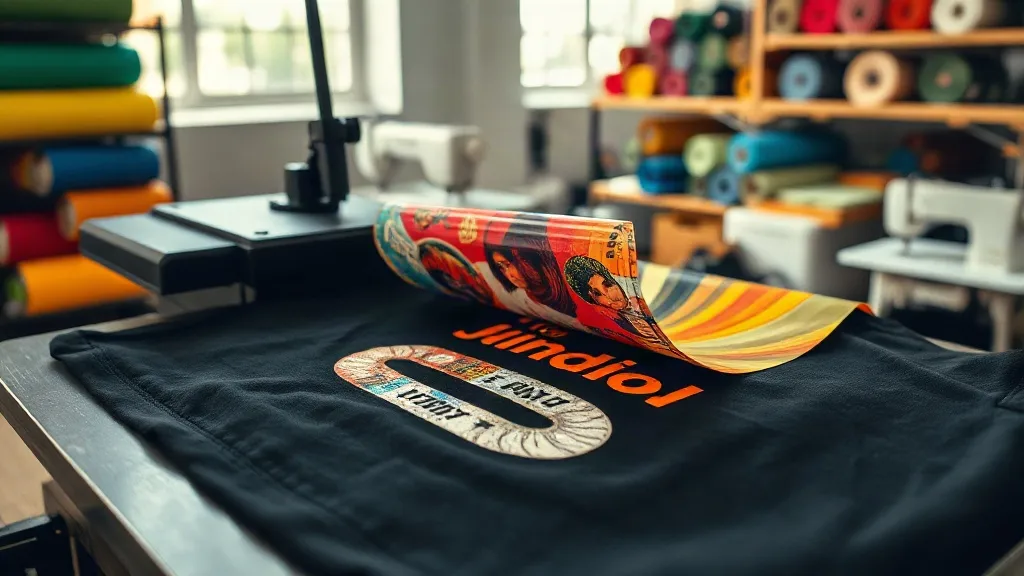
When you first dive into the world of dtf transfers, it's easy to get swept up in the excitement of vibrant colors and intricate designs. But as any seasoned printer knows, the real magic happens when you understand the nuances of fabrics, finishes, and the occasional hiccup that comes with any printing method. This guide goes beyond the basics to give you actionable insights that will save you time, money, and frustration.
Fabric Compatibility: More Than Just Cotton
One of the biggest misconceptions about dtf printing is that it's only for cotton. While it's true that DTF excels on cotton and cotton blends, the technology has evolved to work on a surprisingly wide range of materials. Let's break down the most common fabric types and what you need to know.
Cotton and Cotton Blends
Cotton is the go-to for DTF because it's porous and holds the adhesive well. You'll get excellent wash durability and vibrant colors. Blends with polyester (like 50/50) also work great, but keep in mind that the polyester content can affect the hand feel slightly. For best results, pre-press the garment to remove moisture and wrinkles.
Polyester and Synthetic Fabrics
Polyester is a bit trickier. The smooth surface can cause the transfer to peel if not applied correctly. Use a lower temperature (around 300°F) and press for a shorter time to avoid melting the fabric. Also, consider using a cover sheet to protect the transfer from direct heat. Nylon and spandex require even more care; always test on a swatch first.
Specialty Fabrics: Canvas, Denim, and More
DTF can adhere to canvas, denim, and even some leathers, but the texture of these fabrics can show through the print. For a smoother look, choose a finer weave. And remember, thick fabrics may need a longer press time to ensure the adhesive penetrates fully.
Finishes: Matte, Gloss, and Everything In Between
The finish of your DTF transfer can make or break the final product. It's not just about aesthetics; it also affects durability and how the print feels. Here's what you need to know about the most common finishes.
Matte Finish
Matte is the most popular choice for a reason: it looks like it's part of the fabric, with no shine. It's ideal for vintage designs, subtle logos, and any print where you want a soft, integrated feel. Matte transfers are also less likely to show scratches over time.
Gloss Finish
Gloss gives a shiny, vibrant look that makes colors pop. It's great for bold graphics, sports jerseys, and anything that needs to stand out. However, gloss can highlight imperfections in the fabric and may feel a bit plasticky. Use it sparingly for best effect.
Specialty Finishes: Metallic, Glitter, and More
If you want to add some sparkle, metallic and glitter finishes are available. These are perfect for special occasions, dance costumes, or any project that needs extra flair. Just be aware that they may require a slightly different application process, so always follow the manufacturer's instructions.
Troubleshooting Common DTF Issues
Even the most experienced printers run into problems. Here are some of the most common issues and how to fix them.
Peeling After Wash
If your transfer peels after washing, it's usually due to insufficient pressure, incorrect temperature, or not allowing the transfer to cool completely before peeling. Always use a heat press (not an iron) and ensure even pressure. Also, wait until the transfer is completely cool before removing the carrier sheet.
Faded or Dull Colors
Fading can happen if the transfer is overheated or pressed for too long. It can also be a sign of low-quality ink or film. Invest in high-quality supplies and always do a test press to dial in your settings.
Sticky Residue on the Fabric
Sometimes, a sticky residue is left on the fabric around the transfer. This is usually excess adhesive. You can remove it by pressing the garment with a Teflon sheet or parchment paper for a few seconds. Avoid using direct heat, as it can set the residue.
Cracking or Peeling on Stretch Fabrics
Stretch fabrics like spandex require a transfer that can move with the fabric. Use a high-quality DTF film designed for stretch, and consider using a lower temperature and longer press time to allow the adhesive to bond without becoming brittle.
Finding Quality DTF Transfers Near You
If you're looking to outsource your prints or need supplies, searching for dtf transfers near me can help you find local providers who understand the nuances of your climate and can offer personalized support. Local suppliers often provide faster turnaround times and the ability to consult in person, which can be invaluable when you're troubleshooting.
Maximizing Durability: Care Instructions for Your Customers
To ensure your DTF prints last, educate your customers on proper care. Recommend washing inside out in cold water, avoiding fabric softeners (which can break down the adhesive), and tumble drying on low or hanging to dry. Following these simple steps can significantly extend the life of the print.
Frequently Asked Questions
Can I use DTF transfers on 100% polyester?
Yes, but you need to adjust your settings. Use a lower temperature (around 280-300°F) and a shorter press time to prevent the polyester from melting or the transfer from becoming too shiny. Always test on a scrap piece first.
How long should I wait before washing a garment with a DTF transfer?
It's best to wait at least 24 hours after application before washing. This allows the adhesive to fully cure and bond with the fabric.
What's the difference between DTF and DTG?
DTF (Direct to Film) involves printing onto a film and then transferring to fabric, while DTG (Direct to Garment) prints directly onto the fabric. DTF works on more fabric types and often provides more vibrant colors on dark garments.
Can I layer DTF transfers?
Yes, you can layer DTF transfers, but it's a bit tricky. You'll need to press the first layer, cool, peel, then press the second layer on top. Use a cover sheet to protect the underlying layer from excess heat.
How do I store unused DTF transfers?
Store them in a cool, dry place away from direct sunlight. Keep them flat to avoid creasing, and use them within six months for optimal performance.