
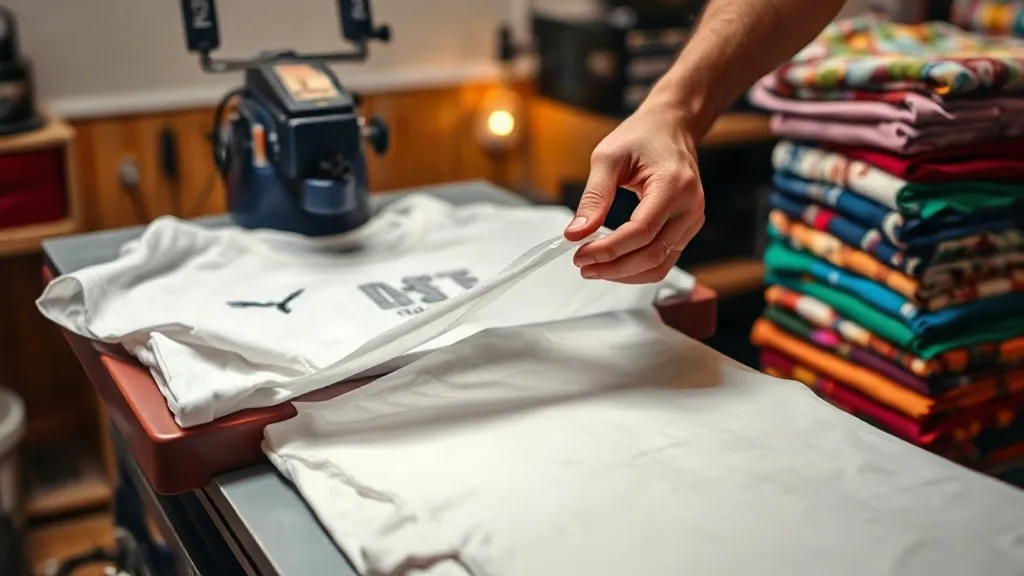
When you invest in dtf transfers, you want your designs to stay bold and intact for as long as possible. Whether you're a hobbyist or a professional decorator, the longevity of your prints directly impacts customer satisfaction and your bottom line. While DTF technology is known for its durability, improper handling and care can shorten the life of even the highest-quality transfers. In this guide, we'll share practical, field-tested strategies to help you get the most out of every print.
Why Print Longevity Matters
DTF printing has revolutionized the garment decoration industry with its ability to produce full-color, detailed designs on a wide range of fabrics. But as with any printing method, the final result depends heavily on how you treat the transfer and the finished garment. A print that cracks, fades, or peels after a few washes not only disappoints the end-user but also reflects poorly on your brand. By understanding the factors that affect durability, you can avoid these pitfalls and deliver products that stand the test of time.
Proper Storage of DTF Transfers
Before application, dtf transfers need to be stored correctly to maintain their integrity. Here's how to do it right.
Temperature and Humidity Control
DTF transfers are sensitive to environmental conditions. Store them in a cool, dry place away from direct sunlight. Ideal conditions are around 20-25°C (68-77°F) with low humidity. Excessive heat can cause the adhesive powder to activate prematurely, while moisture can damage the ink and film.
Flat Storage
Always store transfers flat, not rolled or folded. Bending or creasing the film can create weak points that may lead to cracks during application. If you must stack them, place a sheet of parchment paper between layers to prevent sticking.
Avoiding Contaminants
Dust, dirt, and oils can interfere with adhesion. Keep transfers in a clean, sealed container or bag. Handle them with clean hands or gloves to avoid transferring oils from your skin to the print area.
Application Best Practices for Maximum Durability
How you apply the transfer plays a crucial role in how long it lasts. Follow these guidelines for a strong, lasting bond.
Pre-Pressing the Garment
Before applying the transfer, pre-press the garment for 5-10 seconds to remove moisture and wrinkles. This step ensures a smooth surface and prevents steam from interfering with adhesion.
Temperature and Pressure Settings
Always follow the transfer supplier's recommended settings. Typically, DTF transfers require a temperature of 150-160°C (300-320°F) and medium to high pressure. Insufficient heat or pressure can result in poor adhesion, while excessive heat may scorch the fabric or cause the adhesive to degrade.
Peeling Technique
Most DTF transfers are cold peel, meaning you should wait until the transfer cools completely before removing the film. Peeling too soon can stretch the design or leave adhesive residue. For hot peel transfers, remove immediately after pressing. Always check the instructions.
Post-Pressing for Extra Security
After peeling, a second press for 5-10 seconds with a Teflon sheet or parchment paper can further embed the adhesive into the fabric, enhancing wash durability.
Washing and Care Instructions for End-Users
Even the best-applied transfer can deteriorate if the garment is washed improperly. Share these care tips with your customers to ensure long-lasting prints.
- Turn the garment inside out before washing.
- Use cold water (max 30°C) on a gentle cycle.
- Avoid harsh detergents and bleach.
- Do not use fabric softeners, as they can coat the print and reduce adhesion.
- Tumble dry on low heat or hang dry.
- If ironing, avoid the printed area or use a pressing cloth.
- Wait at least 24 hours after application before the first wash.
Following these simple steps can significantly extend the life of the print.
Common Myths About DTF Durability
There are several misconceptions about DTF transfers that can lead to improper handling. Let's debunk a few.
Myth: DTF prints crack easily
Fact: With proper application and care, DTF prints are highly durable and resist cracking. Most cracking issues stem from incorrect pressing parameters or washing mistakes.
Myth: DTF transfers can be applied to any fabric without testing
Fact: While DTF works on many fabrics, some materials like nylon or coated textiles may require special handling or lower temperatures. Always test on a scrap piece first.
Myth: You can wash immediately after application
Fact: It's best to wait 24 hours to allow the adhesive to fully cure. Washing too soon can weaken the bond.
Finding Quality DTF Transfers
If you're searching for dtf transfers near me, look for suppliers that use high-quality inks and films. At DTF Venture, we provide premium transfers that are tested for durability. Our transfers are designed to withstand repeated washing when applied and cared for correctly. Visit our website to explore our range and get expert advice.
Frequently Asked Questions
How long do DTF transfers last on a garment?
With proper application and care, DTF transfers can last the lifetime of the garment, often 50+ washes without significant fading or cracking.
Can I stretch a DTF print without damaging it?
DTF prints have some elasticity, but excessive stretching can cause cracking. The print will stretch with the fabric to a degree, but it's best to avoid pulling on the printed area.
What is the best way to store unused DTF transfers?
Store them flat in a cool, dry place away from direct sunlight and moisture. Keep them in a sealed bag or container to protect from dust and humidity.
Can I use DTF transfers on dark fabrics?
Yes, DTF transfers include a white ink layer that allows them to show up vividly on dark colors. They work on both light and dark fabrics.
How do I remove a DTF transfer if I make a mistake?
While DTF transfers are meant to be permanent, you can try reheating the print and peeling it off while hot. Use a heat press or iron and carefully lift the edge with a tweezers. It may leave residue, so test on a scrap first.