
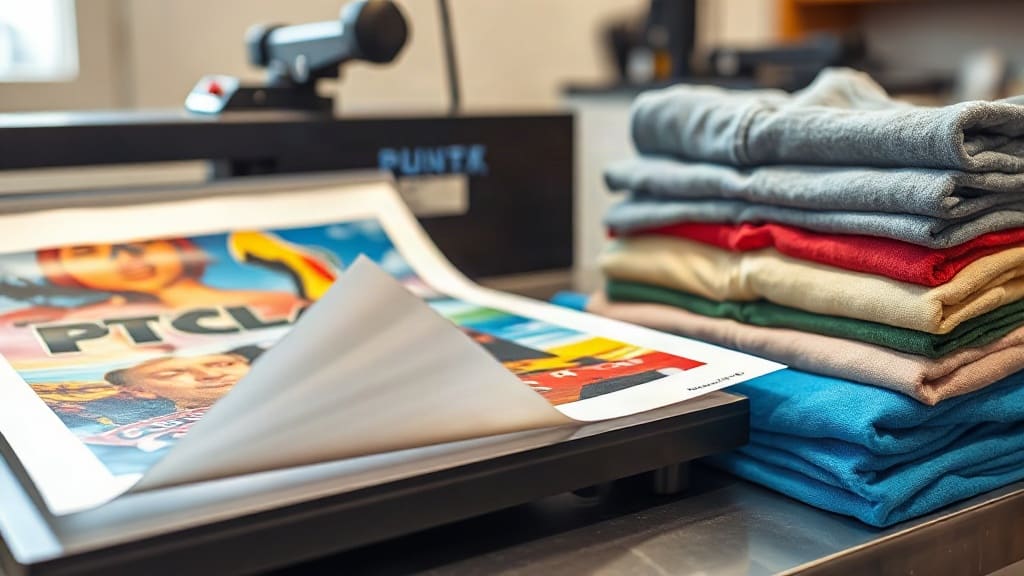
When you need custom apparel in a hurry, searching for dtf transfers near me seems like the quickest fix. But not all local transfer shops are created equal. Some deliver vibrant, long-lasting prints; others leave you with peeling, faded designs after one wash. The difference often comes down to the quality of the DTF film, the inks used, and the expertise behind the printing process. In this guide, I'll walk you through what to look for in a local DTF provider, how to test their work, and how to make sure your money doesn't go down the drain.
What Are DTF Transfers and Why Do They Matter?
DTF, or Direct to Film, is a printing method where a design is printed onto a special film, coated with adhesive powder, and then heat-pressed onto fabric. Unlike traditional screen printing or vinyl, DTF works on a wide range of materials, including cotton, polyester, and blends. That's why it's become a favorite for small businesses and hobbyists who need versatility without sacrificing quality.
But the convenience of searching for dtf transfers near me comes with a catch. Local providers might use subpar films that crack easily, or their adhesive might not bond well with certain fabrics. Knowing the signs of quality helps you avoid costly mistakes.
Key Factors to Evaluate When Choosing a Local DTF Printer
Before you hand over your artwork, take a moment to assess these critical aspects. A quick evaluation can save you from frustrating reorders and unhappy customers.
1. Film and Ink Quality
The film should be matte, not glossy, and have a slight tackiness that holds the design securely. High-quality DTF inks are water-based and produce vivid colors that don't fade easily. Ask the printer what brand of film and ink they use. Reputable shops will proudly share this information.
2. Adhesive Powder and Curing
The adhesive powder is what makes the transfer stick to your garment. It should be applied evenly and cured at the right temperature. If it's under-cured, the design will peel; if over-cured, it may become brittle. A good local printer will have consistent results across batches.
3. White Underbase
For colored or dark fabrics, a white underbase is essential to keep the colors vibrant. Ask if they print a white layer first. Without it, your design might appear washed out or dull. This is a common issue among budget DTF providers, so don't be shy to ask.
4. Finishing and Cutting
Precision cutting matters, especially for intricate designs. A sloppy cut can ruin the look of your apparel. Check if they offer kiss-cut or die-cut options and how they handle detailed edges. Clean cuts mean less hassle during application.
How to Test a DTF Transfer Provider Before a Bulk Order
Even after positive reviews, you should test a small batch first. This is your safety net. Here's a simple step-by-step approach.
- Order a sample set: Most local printers offer sample packs. Order a few transfers with different color schemes and details.
- Apply them yourself: Use your own heat press and follow their recommended settings. This reveals how user-friendly their transfers are.
- Wash test: Wash the pressed shirt multiple times, both cold and warm, and hang it to dry. Observe any cracking, peeling, or fading. Quality transfers should withstand at least 20 washes without significant deterioration.
- Stretch test: Stretch the printed area after washing. If the design cracks or separates, the ink or adhesive is subpar.
By doing this, you'll know exactly what you're paying for. It's a small investment that protects your reputation and your customers' trust.
Questions to Ask Before You Commit
Don't be afraid to interrogate a potential provider. Good shops appreciate informed customers. Here are the questions that matter.
- What type of film and ink do you use?
- Do you print a white underbase on every color transfer?
- What is your turnaround time for standard and rush orders?
- Can you share samples or references from previous clients?
- Do you offer any warranty or replacement for defective transfers?
- What are your minimum order quantities?
Their answers will tell you a lot about their professionalism. Vague or evasive responses are a red flag. You want a partner, not just a transaction.
Understanding Pricing and Value
Price is always a factor, but it shouldn't be the only one. When comparing quotes from different providers, look at the cost per transfer, but also factor in shipping or pickup convenience. Sometimes, dtf transfers near me might be slightly pricier than online options, but the ability to inspect samples in person and avoid shipping delays can be worth it.
Beware of unusually low prices. They often indicate lower quality materials or rushed processes. A reliable transfer that lasts is more valuable than a cheap one that fails after a few wears. Think about the long-term satisfaction of your end customers.
Common Mistakes to Avoid When Buying DTF Transfers Locally
Even experienced print-on-demand sellers make errors when sourcing transfers. Here are the pitfalls I've seen time and again.
Relying Solely on Reviews
Online reviews are helpful, but they can be fabricated or based on a single transaction. Always do your own testing. A star rating doesn't guarantee consistency.
Ignoring Fabric Compatibility
DTF works well on many materials, but it's not perfect for everything. For example, on very stretchy fabrics or those with high silicone content, you might need special additives. Discuss your intended garments with the printer to avoid adhesion problems.
Not Confirming Transfer Size and Resolution
Make sure your artwork is high resolution (at least 300 DPI) and that the transfer size matches your intended placement. A blurry design or wrong size wastes money and time.
Overlooking the Heat Press Settings
A quality transfer can still fail if you apply it incorrectly. Ask the printer for their recommended temperature, pressure, and time settings. Follow them precisely for best results.
How to Build a Long-Term Relationship with a Local DTF Provider
Once you find a reliable local printer, nurture that relationship. Consistent orders and open communication can lead to better pricing and priority service. Here are some tips.
- Provide clear, detailed artwork files.
- Give them a heads-up on upcoming bulk orders.
- Pay invoices on time.
- Give constructive feedback on their work.
A good provider will appreciate your loyalty and might even offer exclusive discounts. Plus, you'll have a go-to resource for those last-minute rush jobs that every business faces.
Frequently Asked Questions About Finding DTF Transfers Locally
How long does it typically take to get DTF transfers from a local shop?
Turnaround times vary, but standard orders often take 2 to 5 business days. Rush services might be available for an extra fee. Always confirm the timeline before placing an order, especially if you have a deadline.
Can I request custom sizes and shapes for my DTF transfers?
Absolutely. Most local providers can adjust the size and shape to fit your design. However, be aware that very large or complex shapes might increase the cost. Discuss your needs with the printer to get an accurate quote.
What's the minimum order quantity for local DTF transfers?
It depends on the shop. Some may accept small orders of just a few transfers, while others require a minimum of 20 or more. If you're just starting out, ask if they have no-minimum options or sample packs.
How do I store unused DTF transfers to maintain their quality?
Keep them in a cool, dry place away from direct sunlight. Store them flat to prevent curling or creasing. Ideally, use them within six months of purchase for the best adhesion.
Are DTF transfers eco-friendly?
DTF printing is relatively low-waste compared to screen printing, but it still uses plastic-based films. If sustainability is important to you, ask if the provider offers biodegradable or recyclable film alternatives, though these may be less common.
Final Thoughts on Choosing DTF Transfers Near You
Finding reliable dtf transfers near me doesn't have to be a gamble. By understanding the technical aspects, testing samples, and asking the right questions, you can secure a local partner who delivers quality every time. Remember, the cheapest option is rarely the best. Invest in transfers that will make your brand look professional and durable. Your customers will notice the difference, and so will your bottom line.
Now that you know what to look for, take the first step. Reach out to a few local providers, ask for samples, and put them through the wash test. In a few days, you'll have the confidence to order in bulk, knowing your apparel will stand out for all the right reasons.