
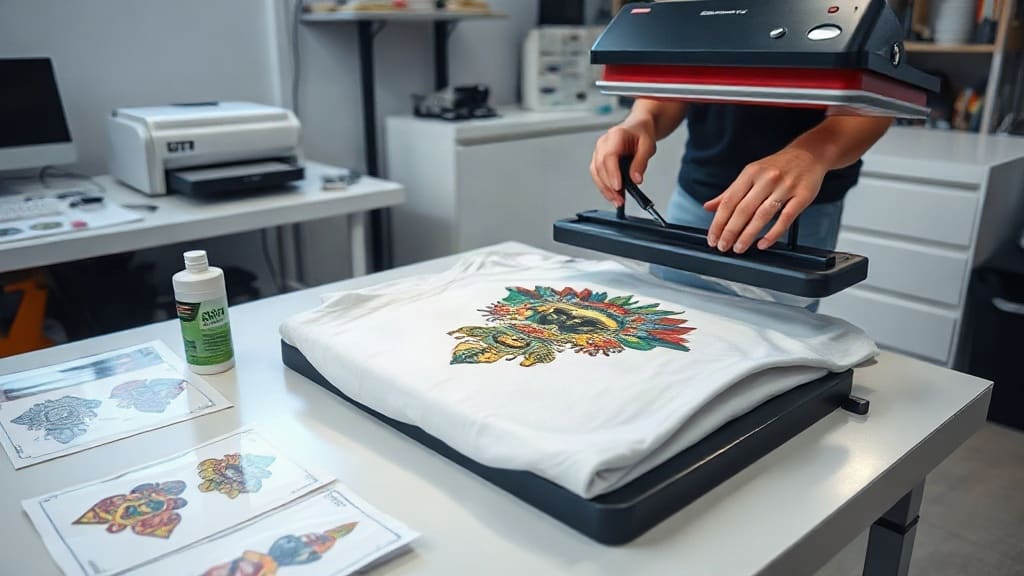
If you've been in the custom apparel printing world for a while, you've probably noticed a new buzzword popping up everywhere: DTF. Short for Direct to Film, this innovative printing method is changing how we create custom t-shirts, hoodies, tote bags, and more. As someone who has experimented with various printing techniques over the years, I can tell you that DTF has quickly become one of my favorite ways to produce vibrant, durable designs. In this article, I'll share what DTF is, how it works, why it's gaining so much popularity, and where you can find DTF transfers to elevate your apparel game.
What Are DTF Transfers?
At its core, DTF printing involves printing your design onto a special film, then transferring it onto fabric using a heat press and adhesive powder. Unlike traditional screen printing, which requires creating separate screens for each color, DTF allows full-color prints in a single pass. The result is a soft, stretchy, and durable print that can be applied to a wide range of materials, including cotton, polyester, blends, and even leather.
Why DTF Transfers Are Gaining Popularity
There are several reasons why DTF has taken the apparel industry by storm. First, the setup cost is significantly lower than other methods. Screen printing requires expensive equipment and screens, while DTF only needs a printer, film, powder, and a heat press. Second, DTF offers incredible versatility. You can print small batches or even single items without worrying about minimum order quantities. Third, the quality is outstanding. Colors are vibrant, and the prints can withstand many washes without cracking or fading.
The Process Behind DTF Transfers
Understanding how DTF works helps you appreciate its value. Here's a step-by-step breakdown:
- Design Creation: You create or upload your design in a digital format. Ensure it's high-resolution for best results.
- Printing on Film: A specialized DTF printer prints your design onto a PET film using CMYK + white ink. The white layer is crucial for printing on dark fabrics.
- Applying Adhesive Powder: While the ink is still wet, a fine adhesive powder is sprinkled over the printed film. This powder acts as a bonding agent when melted.
- Curing: The film is heated to melt the powder, creating a tacky surface that will adhere to your garment.
- Heat Press Transfer: The film is placed onto the garment, and a heat press applies even pressure and high heat. The design transfers onto the fabric.
- Peeling: After cooling, you peel away the film, leaving behind a vibrant, durable print.
DTF Transfers vs. Screen Printing and DTG
To truly understand the impact of DTF, it's helpful to compare it with other popular methods like screen printing and Direct to Garment (DTG).
DTF vs. Screen Printing
Screen printing has been the industry standard for decades. It's excellent for large orders because the cost per unit decreases with volume. However, it requires significant upfront investment and time to set up screens. DTF, on the other hand, has minimal setup. You can switch designs instantly without any cleanup. For small to medium batches, DTF is often more cost-effective.
DTF vs. DTG
DTG is another digital option that prints directly onto the garment. It's great for full-color prints on cotton, but it can be slow for bulk orders and struggles with polyester because the ink tends to bleed. DTF works beautifully on both cotton and polyester, and you can even transfer to items like caps, bags, and shoes. Plus, DTF prints are more flexible and have a softer hand feel.
The Benefits of Using DTF Transfers
Here are some standout advantages that make DTF transfers a game-changer:
- Cost-Effective for Small Runs: No screen setup means you can print one-offs or small batches profitably.
- Versatility: DTF works on various fabrics, including 100% polyester, which is tricky for other methods.
- High Quality and Durability: Prints are vibrant, stretchable, and resistant to cracking.
- Ease of Use: If you have a heat press and a DTF printer, you can produce professional results with minimal training.
- No Weeding: Unlike vinyl, there's no tedious weeding of intricate designs.
- Soft Hand Feel: The ink and adhesive create a thin layer that feels like part of the fabric.
How to Find DTF Transfers Near Me
If you're not ready to invest in your own DTF printer, you can still take advantage of this technology by purchasing pre-made DTF transfers from a local company. Searching for "DTF transfers near me" can lead you to specialized printing services that offer custom transfers or stock designs. Buying locally has several benefits: you can see samples in person, reduce shipping times, and support your community.
Tips for Choosing a DTF Transfer Provider
When looking for a DTF transfers provider, consider the following:
- Quality of Materials: Ask about the type of film and powder they use. Quality materials ensure durability.
- Print Resolution: High-quality prints should have sharp details and vibrant colors.
- Turnaround Time: If you need rush orders, a local provider might be faster.
- Customer Reviews: Check online reviews to gauge their reliability and product quality.
- Sample Orders: Many providers offer sample packs. Order a few to test the quality before committing.
DIY DTF Transfers: What You Need
If you're a crafty entrepreneur who wants full control, creating your own DTF transfers can be rewarding. Here's a basic list of equipment:
- DTF Printer: A compatible printer with CMYK + white ink system.
- PET Film: The base for printing your design.
- Adhesive Powder: A hot-melt adhesive that activates during transfer.
- Heat Press: A quality heat press with even heat distribution.
- Curing Oven or Heat Gun: Some setups use a convection oven to cure the powder.
Keep in mind that there's a learning curve. You'll need to experiment with temperature, pressure, and time to achieve perfect results. But once you master it, the possibilities are endless.
Practical Applications and Success Stories
I remember a friend who started a small apparel brand in her garage. She was hesitant to invest in screen printing equipment, so she decided to try DTF transfers. She ordered a few sample packs from a local supplier and was blown away by the quality. Within weeks, she was producing custom t-shirts for local events and online orders. The low overhead allowed her to offer competitive prices, and her customers loved the soft feel of the prints.
Another example is a local sports team that needed jerseys with multiple colors and numbers. They used DTF transfers to avoid the high setup costs of screen printing and received their order in just a few days. The prints have held up beautifully through countless washes and intense games.
Future Trends in DTF Printing
As technology advances, DTF is expected to become even more accessible. Newer printers are faster and more affordable, and eco-friendly inks and films are emerging. We're also seeing innovations in specialty effects, like glitter, metallic, and even glow-in-the-dark powders. The future looks bright for DTF, and it's exciting to think about where it'll take custom apparel next.
Frequently Asked Questions
Can DTF transfers be used on any fabric?
Yes, DTF transfers are incredibly versatile. They work on cotton, polyester, nylon, denim, and blends. They also adhere well to harder surfaces like canvas bags and caps. Just ensure you use the appropriate temperature and pressure settings for the material.
How many washes do DTF prints last?
When applied correctly, DTF prints can withstand 50 or more washes without significant fading or cracking. The durability depends on the quality of the ink, adhesive, and the transfer process. Following proper care instructions, like washing inside out in cold water, can extend the print's life.
Is DTF printing cost-effective for small orders?
Absolutely. One of the main advantages of DTF is that there's no minimum order quantity. You can print a single shirt or a hundred without any setup fees. This makes it perfect for small businesses, side hustles, or personalized gifts.
Do I need a special printer to make DTF transfers?
Yes, you need a printer that can handle DTF inks and films. These are typically converted Epson or specialized DTF printers. They come in various sizes, from desktop models for small batches to industrial machines for high-volume production.
What temperature and time are needed to press DTF transfers?
Generally, the recommended settings are around 320°F (160°C) for 15 seconds at medium to firm pressure. However, always follow the manufacturer's instructions for your specific transfer film and powder, as they may vary.
Getting Started with DTF Transfers
Whether you choose to buy DTF transfers or create your own, this technology opens up a world of creative possibilities. It's user-friendly, cost-effective, and produces stunning results. If you're searching for "DTF transfers near me," take the time to research local providers, compare prices, and read reviews. And if you're ready to dive in, invest in quality equipment and practice until you perfect your technique. The custom apparel industry is evolving, and DTF is leading the charge. Don't get left behind; embrace this exciting printing method and see where it takes your projects.