
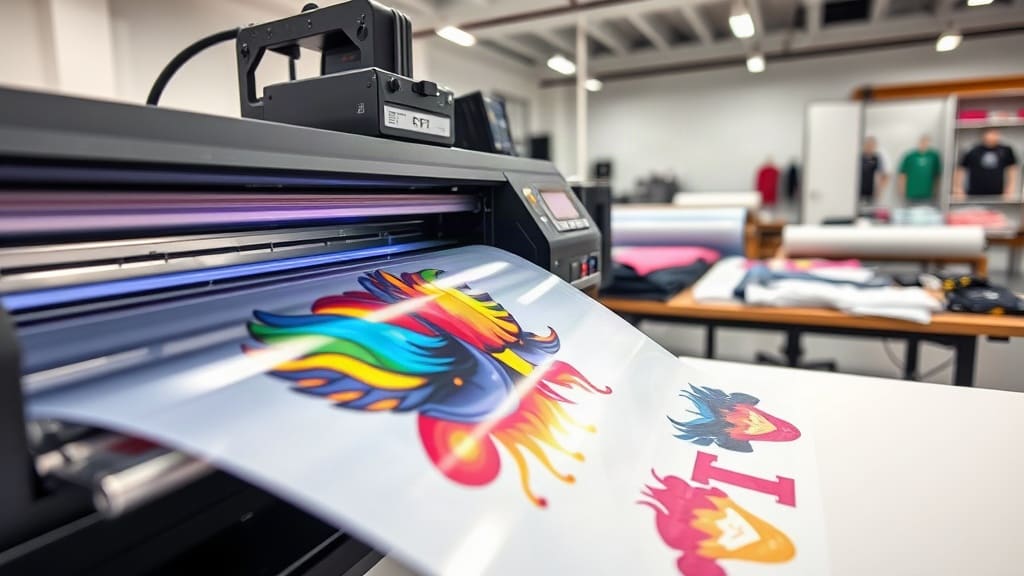
DTF transfers have revolutionized the custom printing industry, offering a versatile and cost-effective solution for creating vibrant designs on a wide range of fabrics. Whether you're a small business owner, a hobbyist, or a professional printer, understanding this technology can open up new possibilities for your projects. In this comprehensive guide, we'll explore what DTF transfers are, how they compare to other methods, and provide actionable tips to help you achieve the best results.
What Are DTF Transfers?
DTF stands for Direct to Film. It's a printing method where a design is printed onto a special film using a DTF printer and then transferred onto fabric using a heat press. The process involves printing a mirror image of the design onto the film, applying adhesive powder, and then curing it. When you're ready to transfer, you place the film on your garment and apply heat and pressure, which bonds the design to the fabric.
The beauty of DTF transfers lies in their simplicity and versatility. Unlike traditional screen printing, there's no need for screens or setup for each color. DTF can handle full-color designs with gradients, shadows, and intricate details without extra effort. This makes it an excellent choice for custom apparel, promotional products, and even personalized gifts.
DTF vs. Other Printing Methods
To truly appreciate DTF, it's helpful to compare it with other popular techniques like screen printing, heat transfer vinyl (HTV), and direct-to-garment (DTG) printing.
Screen Printing
Screen printing is a traditional method that uses a mesh screen and squeegee to push ink onto fabric. It's great for large orders with solid colors, but it can be costly for small runs and limited in color gradients. DTF transfers offer a more flexible alternative, especially for small to medium batches or designs with many colors.
Heat Transfer Vinyl (HTV)
HTV involves cutting vinyl into shapes and heat-pressing them onto fabric. It works well for simple, single-color designs but struggles with detailed graphics and photographs. DTF, on the other hand, can reproduce any digital design with ease, making it superior for complex artwork.
Direct-to-Garment (DTG)
DTG printing is similar to DTF in that it uses digital printing technology, but it prints directly onto the garment. While DTG is excellent for cotton fabrics, it often struggles with polyester and blends. DTF transfers adhere well to a variety of materials, including nylon, blends, and even leather, giving you more flexibility.
Benefits of Using DTF Transfers
Why have DTF transfers become so popular? Let's break down the key advantages.
- Versatility: DTF works on cotton, polyester, blends, and even tricky surfaces like nylon and leather. This makes it a go-to for products like jerseys, caps, and bags.
- Soft Hand Feel: The prints are soft and flexible, unlike some other transfer methods that leave a thick, stiff layer.
- Durability: DTF prints are known for their excellent washability. They can withstand repeated washing without cracking or fading, provided you use quality materials and proper curing.
- No Weeding: Unlike HTV, there's no need to weed out excess material. The entire design is transferred, saving time and effort.
- Small Batch Friendly: You can produce just one or two items economically, making it ideal for custom orders and samples.
- High Detail: The resolution is exceptional, capturing fine lines and vibrant colors that stand out.
How to Get Started with DTF Transfers
If you're ready to dive into the world of DTF, here's a step-by-step guide to creating your first transfer.
Step 1: Choose Your Equipment
You'll need a DTF printer, a heat press, and a few essential supplies. Many printers on the market are specifically designed for DTF, but you can also convert some inkjet printers with the right setup. Look for a printer that supports pigment inks and has a white ink circulation system, as white is crucial for printing on dark fabrics.
Step 2: Prepare Your Design
Use graphic design software to create your artwork. Remember to mirror the image horizontally before printing, because the transfer will be flipped when applied. Ensure your file is high resolution (300 DPI) and in the correct color profile (CMYK or RGB).
Step 3: Print and Powder
Print your design onto the DTF film. Then, while the ink is still wet, apply adhesive powder evenly over the printed area. Shake off the excess, and then cure the powder using a heat source, such as a tunnel dryer or a heat press set at a low temperature. This step activates the adhesive, which is essential for bonding to the fabric.
Step 4: Heat Press the Transfer
Place the film on your garment with the printed side down. Use a heat press at the recommended temperature and pressure for the specific film and powder you're using. Typically, it's around 320°F (160°C) for 15-20 seconds. After pressing, peel the film while it's still hot (hot peel) or after it cools (cold peel), depending on the product instructions.
Step 5: Post-Cure (Optional)
Some printers recommend a post-cure step to enhance durability. This involves pressing the garment again with a protective sheet to ensure the adhesive is fully cured.
Tips for Perfect DTF Transfers
Even experienced printers can run into issues. Here are some expert tips to help you avoid common pitfalls and achieve flawless results.
- Use High-Quality Materials: The quality of your film, powder, and ink directly impacts the final print. Invest in reputable brands to ensure durability and vibrant colors.
- Check Your White Ink: For dark fabrics, the white underbase is critical. Make sure your white ink is well-mixed and the printer is properly maintained to prevent clogging.
- Adjust Pressure and Time: Not all fabrics are the same. Test on a sample piece to find the optimal settings. Too much pressure can cause the design to spread, while too little may result in poor adhesion.
- Pre-Press Your Garment: Before applying the transfer, pre-press the garment for a few seconds to remove moisture and wrinkles. This ensures a smooth, even application.
- Store Transfers Properly: If you're making transfers in advance, store them in a cool, dry place away from direct sunlight. This prevents the adhesive from degrading.
- Handle with Care: Avoid touching the printed area with your fingers, as oils can affect adhesion. Use gloves if necessary.
Common Mistakes to Avoid
Even with the best intentions, mistakes happen. Here are a few to watch out for.
- Skipping the Mirror: Forgetting to flip your design is a classic error. Always double-check before printing.
- Insufficient Adhesive Powder: If you don't apply enough powder, the design might not stick properly. Make sure to cover the entire printed area evenly.
- Incorrect Curing Temperature: If the powder isn't cured enough, it won't melt and bond during transfer. Use a temperature gun to verify your heat press settings.
- Peeling Too Soon or Too Late: Follow the manufacturer's instructions for peel temperature. Some films require a hot peel, others a cold peel. Getting this wrong can ruin the print.
DTF Transfers Applications
The versatility of DTF transfers makes them suitable for a wide range of products. Here are just a few examples.
- Custom Apparel: T-shirts, hoodies, tank tops, and more. DTF is perfect for creating unique fashion pieces.
- Workwear and Uniforms: Add logos and names to uniforms with durable prints that withstand frequent washing.
- Sports Team Gear: From jerseys to practice wear, DTF can handle the demands of athletes.
- Accessories: Tote bags, backpacks, and caps are all great candidates for DTF decoration.
- Promotional Products: Create branded merchandise for giveaways or events, even for small quantities.
- Home Decor: Pillows, towels, and even curtains can be personalized with DTF transfers.
Cost Considerations
One of the biggest questions is cost. While the initial investment in a DTF printer and supplies can be significant, the per-print cost is relatively low, especially for full-color designs. Compared to screen printing, there's no setup fee, making it economical for small runs. For businesses, this means you can offer more customization options without breaking the bank.
When calculating your costs, factor in the film, powder, inks, and electricity. Also, consider the time saved by not weeding or setting up screens. For many, the efficiency and flexibility outweigh the upfront expenses.
Frequently Asked Questions
How long do DTF transfers last?
With proper care, DTF prints can last many washes. The durability depends on the quality of materials, the curing process, and how the garment is washed. Using a gentle cycle and avoiding high heat dryers can extend the life of the print.
Can DTF transfers be used on dark colors?
Absolutely. DTF is especially popular for dark fabrics because you can print a white underbase that ensures colors pop. The white ink layer provides opacity, so your design looks vibrant even on black or navy.
What fabrics are best for DTF?
DTF works on most fabrics, including cotton, polyester, and blends. It also adheres well to harder surfaces like nylon and leather, though you may need to adjust your heat press settings. For stretchy fabrics, test first to ensure the print doesn't crack.
Do I need a special printer for DTF?
While you can convert some inkjet printers, it's highly recommended to use a printer specifically designed for DTF. These printers have features like white ink circulation and are built to handle the demands of pigment inks and film printing.
Can I make my own DTF transfers at home?
Yes, with the right equipment, you can produce professional-quality transfers at home or in a small studio. Many hobbyists start with a basic setup and scale up as they gain experience.
Conclusion
DTF transfers offer an exciting opportunity for anyone looking to create custom prints. With their versatility, durability, and ease of use, it's no wonder they've become a favorite among printers and crafters alike. Whether you're just starting or looking to expand your services, incorporating DTF into your workflow can take your projects to the next level. So, gather your supplies, experiment with different designs, and enjoy the satisfying results of this innovative printing method.