
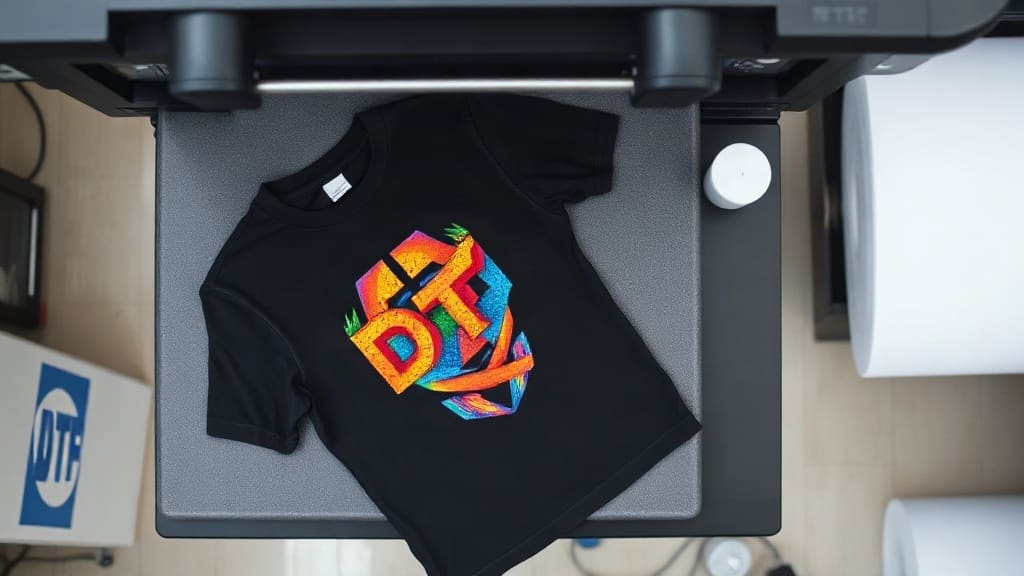
If you've been exploring custom printing options, you've likely come across the term dtf transfers. This innovative method has taken the industry by storm, offering a versatile and cost-effective solution for creating vibrant designs on a wide range of fabrics. Unlike traditional screen printing, which requires screens and setup, DTF printing allows you to produce full-color transfers with incredible detail, even on dark garments. In this guide, we'll break down everything you need to know about DTF transfers, from how they work to tips for getting the best results. By the end, you'll understand why this technology is a game-changer for small businesses and DIY enthusiasts alike.
What Are DTF Transfers?
DTF, or Direct to Film, is a printing method where a design is printed onto a special film, coated with adhesive powder, and then heat-pressed onto fabric. The process involves a printer equipped with CMYK inks and white ink, which lays down a base layer of white for opacity. The film is then cured, and the transfer is applied using a heat press. This technique eliminates the need for weeding (as in vinyl) and allows for complex, multi-colored designs without extra setup costs.
One of the key advantages of dtf transfers is their versatility. They work on a variety of materials, including cotton, polyester, blends, and even some non-fabric surfaces like leather or canvas. This makes them ideal for custom t-shirts, hoodies, tote bags, and more.
How DTF Transfers Compare to Other Methods
When deciding on a printing method, it's essential to understand the differences. Here's a quick comparison:
- DTF vs. Screen Printing: Screen printing is excellent for large runs of simple designs, but it requires significant setup time and costs. DTF transfers are more flexible for small batches and intricate artwork.
- DTF vs. DTG (Direct to Garment): DTG prints directly onto the fabric, making it great for soft, high-detail prints. However, DTG machines are expensive and less efficient for bulk orders. DTF transfers can be printed in advance and applied quickly, making them a better option for on-demand orders.
- DTF vs. Vinyl: Vinyl is durable but limited in colors and requires weeding. DTF transfers offer full-color prints with no weeding, saving time and labor.
For businesses looking to offer custom apparel without investing in high-end equipment, dtf transfers provide an accessible entry point.
Step-by-Step Process of Using DTF Transfers
Understanding the process helps you achieve professional results. Here's how it works:
- Printing: A specialized DTF printer prints the design onto a PET film. The printer uses CMYK and white ink, laying down the white layer first for dark fabrics.
- Adhesive Powder: While the ink is still wet, a hot-melt adhesive powder is applied to the film. This powder sticks to the printed area.
- Curing: The film is then heated to melt the adhesive and cure the ink. This ensures the transfer is durable.
- Application: The transfer is placed on the garment, and a heat press applies pressure and heat (usually around 300°F for 15 seconds). After peeling, the design remains on the fabric.
This method allows for precise color reproduction and excellent washability, provided you use quality materials.
Choosing the Right Equipment and Materials
To get started, you'll need a DTF printer, which typically costs between $2,000 and $5,000 for a starter setup. However, many businesses opt to purchase pre-printed transfers from suppliers like DTF Venture, which can be more economical if you're just starting. If you decide to print in-house, consider the following:
- Printer: Look for a printer with a built-in white ink circulation system to prevent clogs. Epson and some Chinese brands are popular choices.
- Film: Use high-quality PET film designed for DTF. This affects adhesion and peel ability.
- Adhesive Powder: A fine powder with a specific viscosity ensures proper melting and bonding.
- Heat Press: A clamshell or swing-away press with accurate temperature control is essential.
If you're sourcing dtf transfers from a supplier, ensure they use premium inks and film to avoid issues like cracking or peeling.
Tips for Perfect DTF Prints
Here are some expert tips to ensure your transfers come out flawlessly:
- Test on the fabric: Different materials react differently. Always do a test press on a scrap piece.
- Adjust temperature and time: Follow the transfer manufacturer's recommendations. Over-pressing can cause bleeding, while under-pressing leads to poor adhesion.
- Use a Teflon sheet: Applying a protective sheet over the film prevents sticking and ensures even heat distribution.
- Peel hot or cold? Some films require hot peeling, others cold. Check the instructions. Generally, hot peel works for most DTF films, but test to see which gives a smoother finish.
- Pre-press the garment: This removes moisture and wrinkles, leading to a better bond.
Also, remember to mirror your design before printing, as the transfer is applied face down.
Common Mistakes to Avoid
Even experienced printers can make errors. Here are common pitfalls and how to avoid them:
- Insufficient white ink: If the white layer is too thin, colors may appear dull on dark fabrics. Ensure proper ink density.
- Incorrect curing: Not curing enough can cause the adhesive to fail. Follow the recommended time and temperature.
- Poor film quality: Cheap film can tear or curl, ruining the transfer. Invest in quality supplies.
- Skipping the pre-press: This step is crucial for even adhesion. Don't skip it.
By being mindful of these, you'll save time and materials.
Why DTF Transfers Are Great for Small Businesses
For small businesses and home-based entrepreneurs, dtf transfers offer a low-cost entry into custom apparel. Here's why:
- Low startup costs: Compared to screen printing setups, DTF requires less investment, especially if you outsource the printing.
- No minimum orders: You can print one item or hundreds without worrying about setup fees.
- Fast production: Transfers can be printed in advance, allowing for quick turnaround on orders.
- Versatility: You can apply transfers to various products, expanding your product range.
This method empowers you to test new designs without committing to large inventory, which is perfect for print-on-demand or small batch runs.
Cost Considerations and Pricing
Understanding costs helps you price your products competitively. Here's a breakdown:
- DIY printing: The initial investment in a printer and materials might be high, but the per-unit cost can be low, especially for volume.
- Purchasing pre-printed transfers: This is more expensive per unit but eliminates equipment costs. Prices vary, but you can expect to pay around $2-$5 per transfer depending on size and complexity.
- Other costs: Don't forget labor, heat press electricity, and packaging.
When pricing your products, factor in these costs plus a reasonable profit margin. For example, if a transfer costs $3 and you sell a t-shirt for $25, you have a healthy profit after accounting for the blank shirt.
How to Care for DTF Printed Garments
To ensure longevity, proper care is essential. Advise your customers to:
- Turn garments inside out before washing.
- Use cold water and a gentle cycle.
- Avoid bleach and fabric softeners, as they can degrade the print.
- Tumble dry on low or hang to dry.
- Do not iron directly on the design; if needed, iron on the reverse side.
Following these steps will keep prints vibrant for years.
Frequently Asked Questions
Can DTF transfers be used on all fabric types?
Yes, DTF transfers work on cotton, polyester, blends, and even some synthetic materials. However, for fabrics with a high polyester content, you may need to adjust the pressure and temperature to prevent scorching. Always test a sample first.
How long do DTF transfers last?
With proper application and care, DTF prints can last as long as the garment itself. They are resistant to cracking and peeling, unlike vinyl. However, excessive washing or harsh detergents can shorten their lifespan.
Do DTF transfers crack or fade?
Quality DTF transfers are designed to withstand stretching and washing. They use flexible inks that don't crack easily, but like any print, they may fade over time with improper care. Using a cold wash and drying on low will help maintain color.
Can I use DTF transfers on dark and light fabrics?
Absolutely. The white ink base ensures that colors pop on dark garments, while on light fabrics, you can opt for a white layer or skip it for a transparent effect. Most transfers are printed with a white base, making them suitable for all colors.
What temperature and pressure should I use for DTF?
Typically, you should press at 300°F (150°C) with medium to firm pressure for 10-15 seconds. However, these settings can vary based on film and adhesive. Always refer to the supplier's instructions for best results.