
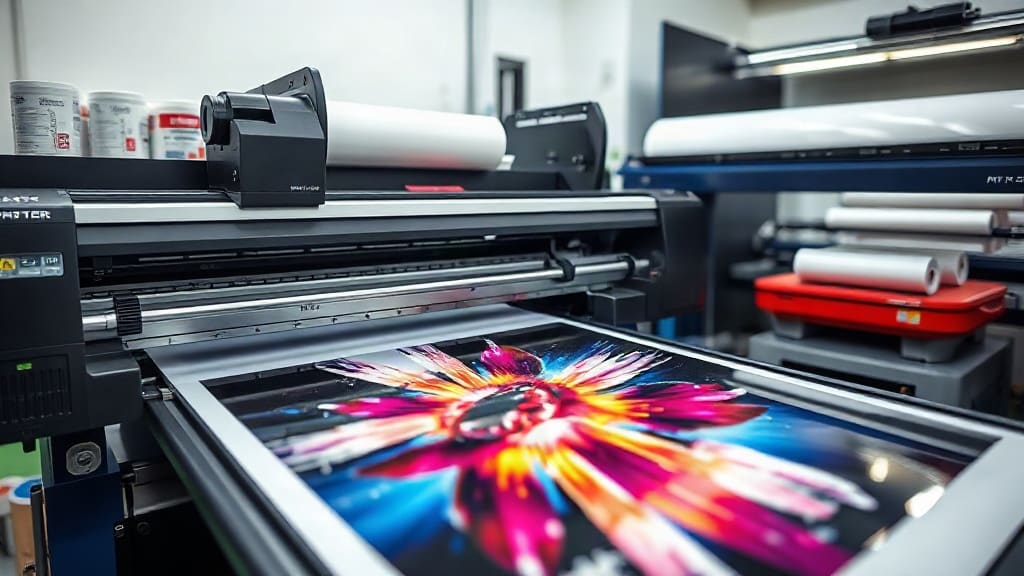
DTF transfers have revolutionized the custom apparel industry, offering a versatile and cost-effective way to print vibrant designs on a wide range of fabrics. Whether you're a small business owner, a hobbyist, or someone curious about modern printing technology, understanding direct-to-film printing can open up new creative possibilities. In this comprehensive guide, we'll dive deep into everything you need to know about DTF transfers, from the basics to advanced tips that will help you achieve professional results.
What Are DTF Transfers?
DTF, which stands for Direct to Film, is a printing method where a design is printed onto a special PET film using a DTF printer, then transferred onto fabric using heat and pressure. Unlike traditional heat transfer vinyl (HTV) or screen printing, DTF transfers are incredibly versatile. You can print full-color designs with gradients, shadows, and intricate details without the need for weeding or separate color layers. The process is straightforward: print, apply adhesive powder, cure, and then heat press the film onto your garment.
How Do DTF Transfers Work?
The process might sound complex, but it's surprisingly simple once you get the hang of it. Let's break it down into easy-to-follow steps.
Step 1: Design Creation
Using graphic design software like Adobe Illustrator or Photoshop, you create your artwork. Ensure the design is high resolution (at least 300 DPI) for crisp printing. Keep in mind that white ink is printed first, so if your design includes transparent areas, they'll appear white on the final transfer.
Step 2: Printing on Film
You load a roll of PET film into a DTF printer. The printer uses CMYK plus white ink to lay down the design. The white ink acts as a base to make colors pop, especially on dark fabrics. After printing, the film comes out with wet ink, so you need to apply adhesive powder while the ink is still wet.
Step 3: Applying Adhesive Powder
You sprinkle a hot-melt adhesive powder over the printed area. This powder sticks to the wet ink. Then, you remove the excess powder by shaking or using a powder shaker and vacuum system. The powder is what makes the transfer bond to the fabric.
Step 4: Curing the Powder
You pass the film through a curing oven or use a heat gun to melt the powder. This sets the adhesive so it's ready for later use. Once cured, the transfer can be stored until you're ready to apply it.
Step 5: Heat Pressing
When you want to apply the transfer, you pre-press the garment for a few seconds to remove moisture and wrinkles. Then, you place the film (printed side down) onto the fabric and press with a heat press at around 320°F (160°C) for 15-20 seconds with medium to firm pressure. After letting it cool slightly, you peel off the film, and your design is permanently fused to the fabric.
Why Choose DTF Transfers Over Other Methods?
There are several reasons why DTF has become a favorite among print shops and DIYers alike.
Versatility in Fabric Types
One of the biggest advantages of DTF transfers is that they work on nearly any fabric, including cotton, polyester, blends, nylon, and even leather. Unlike sublimation, which only works on polyester, DTF gives you the freedom to print on dark and light fabrics alike without needing a white base layer.
Cost-Effective for Small Runs
If you're printing short runs or single items, DTF is much more affordable than screen printing, which has high setup costs. With DTF, there are no screens or plates to create, so you can print one-off designs without breaking the bank.
No Weeding Required
HTV requires careful weeding of the design, which can be time-consuming and tricky for complex images. DTF eliminates this step entirely, saving you hours of labor. You can print intricate, full-color designs with gradients and even photographs, and the transfer process is a breeze.
Soft Hand Feel
DTF transfers produce a soft, stretchable print that doesn't crack or peel easily. The adhesive powder creates a flexible bond that moves with the fabric, making it comfortable to wear. This is a major selling point for customers who want high-quality apparel.
Durability
When applied correctly, DTF transfers can withstand numerous washes without fading or cracking. They're designed to be durable, making them ideal for workwear, sportswear, and everyday items.
Tips for Getting the Best Results with DTF Transfers
While DTF is user-friendly, a few tips can help you achieve flawless prints every time.
Use High-Quality Materials
The quality of your film, ink, and adhesive powder directly impacts the final product. Invest in premium PET film and DTF inks from reputable brands. Cheap materials often lead to poor adhesion, dull colors, or cracking.
Calibrate Your Printer
Regularly calibrate your printer to ensure accurate color reproduction and proper ink density. Test prints can help you adjust settings before running a large batch.
Optimize Your Heat Press Settings
Temperature, time, and pressure vary depending on the fabric and transfer. Always do a test press on a scrap piece of fabric to dial in the perfect settings. Typically, 320°F for 15-20 seconds works well, but some materials may require adjustments.
Pre-Press Your Garments
Pre-pressing removes moisture and wrinkles, which can interfere with the transfer. This step ensures a smooth, even application and better adhesion.
Handle the Film with Care
After curing the powder, handle the film by the edges to avoid smudging the ink. Also, store it in a cool, dry place to prevent the adhesive from degrading.
Experiment with Design Placement
DTF transfers allow for a wide range of placement options. Besides the center chest, you can print on sleeves, collars, or even create all-over prints for specific projects. Don't be afraid to get creative.
DTF Transfers vs. Sublimation and Vinyl
To truly appreciate DTF, it helps to compare it with other popular methods.
Sublimation
Sublimation printing uses heat to turn solid dye into gas, which then bonds with polyester fibers. It produces vibrant, permanent prints that don't crack or peel. However, it only works on polyester or polymer-coated items, and it requires a white or light background. DTF works on any color and fabric, making it more versatile.
Heat Transfer Vinyl (HTV)
HTV is a popular choice for simple designs and text. It involves cutting adhesive vinyl, weeding out the excess, and pressing it onto fabric. HTV is durable but limited in terms of color and detail. Each color requires a separate cut and application. DTF allows for full-color designs in one press, saving time and effort.
Screen Printing
Screen printing is ideal for large bulk orders due to its low per-unit cost at high volumes. However, setup is expensive and time-consuming, making it impractical for small batches. DTF offers a more flexible and cost-effective alternative for small to medium runs.
Common Mistakes to Avoid
Even experienced printers can run into issues with DTF. Here are some pitfalls to avoid.
- Not shaking adhesive powder well: If you don't remove excess powder, it can cause the transfer to peel or have a rough texture. Ensure you shake off all the loose powder before curing.
- Using too low a temperature: If the heat press isn't hot enough, the adhesive won't activate properly, leading to poor adhesion. Always check the recommended temperature for your specific powder.
- Peeling while hot: Wait for the film to cool down before peeling. Peeling too early can cause the ink to lift off the fabric.
- Ignoring humidity: High humidity can affect the powder and film. Store materials in a dry environment to avoid issues.
Creative Applications of DTF Transfers
Beyond T-shirts, DTF transfers can be used on a variety of items, including:
- Hoodies and sweatshirts
- Tote bags and backpacks
- Athletic wear and jerseys
- Children's clothing
- Home textiles like pillowcases and curtains
- Promotional items and corporate gifts
The possibilities are limited only by your imagination. With DTF, you can produce personalized gifts, custom team gear, or even start a print-on-demand business with minimal upfront investment.
Frequently Asked Questions
Can DTF transfers be used on dark-colored fabrics?
Yes, absolutely. In fact, DTF is excellent for dark fabrics because the white ink base ensures vibrant, opaque colors. The white layer prevents the fabric from showing through, so your design looks just as vivid as it does on a light shirt.
How long do DTF transfers last?
With proper application and care, DTF transfers can last for many washes. They are designed to withstand regular wear and tear without cracking or fading. To maximize longevity, wash garments inside out in cold water and avoid using bleach or harsh detergents.
Do I need a special printer for DTF transfers?
Yes, you need a DTF printer, which is typically an inkjet printer modified to use DTF inks and equipped with a white ink circulation system. Some printers are specifically designed for DTF, but you can also convert certain Epson models. It's essential to use the right printer to ensure reliable performance and high-quality output.
Can I use DTF transfers on stretchy fabrics like spandex?
Yes, DTF transfers work well on stretchy materials because the adhesive powder creates a flexible bond. However, you should test on a sample to ensure the transfer doesn't crack when stretched. Using a lower temperature and reducing pressure can help maintain stretchability.
Is DTF printing expensive to start?
The initial investment for a DTF printer, film, inks, and powder can range from a few thousand dollars for a starter setup to more for professional equipment. However, the ongoing costs are relatively low, and you can recoup your investment quickly if you're producing custom apparel regularly.
Final Thoughts
DTF transfers have truly changed the game for custom printing. Their versatility, ease of use, and stunning results make them a top choice for both beginners and seasoned professionals. Whether you're looking to start a side hustle or upgrade your current printing process, mastering DTF can give you a competitive edge. By following the tips and techniques outlined in this guide, you'll be well on your way to creating beautiful, durable prints that your customers will love.
Remember, practice makes perfect. Don't be afraid to experiment with different fabrics, designs, and settings to find what works best for you. With a little patience and creativity, you'll soon be producing professional-quality DTF transfers that stand out from the crowd.