
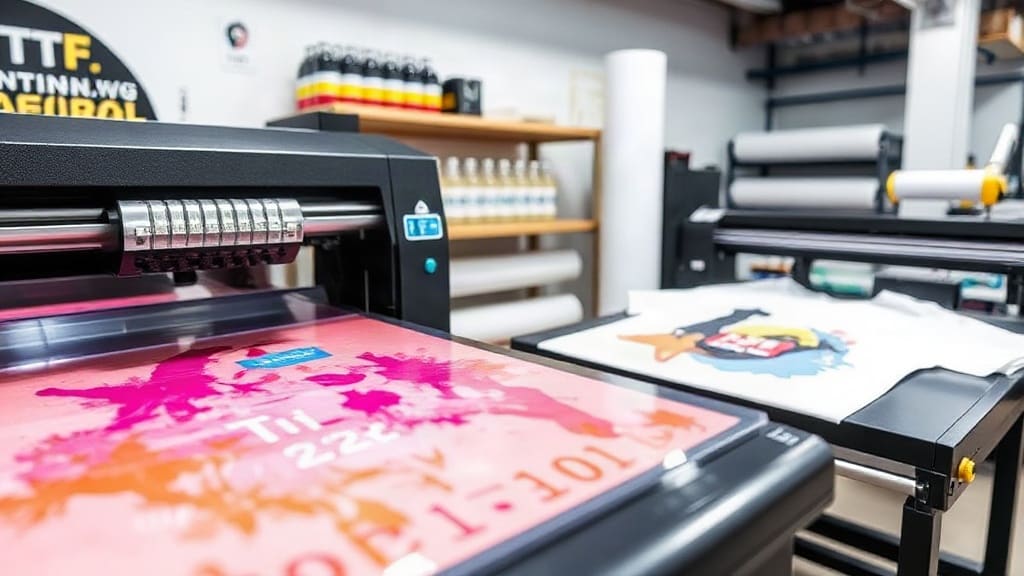
DTF transfers have revolutionized the custom apparel industry, offering a versatile and cost-effective way to produce vibrant designs on a wide range of fabrics. Whether you're a small business owner, a hobbyist, or a large-scale printer, understanding this technology can open new opportunities. In this guide, we'll explore what DTF transfers are, how they work, their benefits, and how to get the best results.
What Are DTF Transfers?
DTF, which stands for Direct-to-Film, is a printing method where a design is printed onto a special PET film using a DTF printer and specialized inks. The printed film is then coated with a hot-melt adhesive powder, and after the powder is cured, the transfer is ready to be applied to fabric using a heat press. Unlike traditional screen printing or heat transfer vinyl, DTF transfers can be used on various materials, including cotton, polyester, blends, and even leather.
How Does the DTF Process Work?
The DTF process involves several steps, each crucial for achieving high-quality results. Here's a breakdown:
- Design Creation: Create or import your design into a DTF-compatible software. Ensure it's at the correct resolution and size.
- Printing: The design is printed in reverse (mirrored) onto a PET film using a DTF printer with CMYK plus white ink. The white ink acts as a base to make colors pop on dark fabrics.
- Powder Application: While the ink is still wet, a hot-melt adhesive powder is applied to the printed side of the film. This powder is what bonds the design to the fabric.
- Curing: The film is passed through a curing oven or heat tunnel to melt the powder and create a strong adhesive layer.
- Transfer: The cured film is placed on the fabric (powder side down) and pressed using a heat press at a specific temperature and pressure for a set time.
- Peeling: After pressing, the film is peeled away, leaving the design permanently adhered to the fabric.
Advantages of DTF Transfers Over Other Methods
DTF transfers have gained popularity for good reason. Here are some key benefits:
- Versatility: They work on almost any fabric, including tricky materials like performance wear and blends.
- Durability: The adhesive bond is strong, and prints can withstand multiple washes without cracking or fading.
- Soft Hand Feel: Unlike some vinyls, DTF prints have a smooth, soft texture that doesn't compromise comfort.
- High Color Vibrancy: The white ink base ensures that colors remain bright and true, even on dark garments.
- No Screen Setup: Unlike screen printing, there's no need for screens or setup, making it ideal for short runs and custom orders.
- Cost-Effective for Small Orders: You can print single items or small batches without worrying about high setup costs.
- Ease of Use: The process can be learned quickly, making it accessible for beginners.
DTF Transfers vs. Other Printing Methods
Understanding how DTF compares to other popular methods can help you decide if it's right for your business.
DTF vs. Screen Printing
Screen printing is excellent for large runs of the same design on light-colored garments. However, it requires significant setup and is less practical for small orders or multi-color designs. DTF transfers offer greater flexibility and are more cost-effective for short runs.
DTF vs. DTG (Direct-to-Garment)
DTG is similar in that it prints directly onto the fabric, but it's typically limited to 100% cotton and can be slower for bulk production. DTF can be used on a wider variety of fabrics and allows you to print transfers in advance, which can be more efficient for order fulfillment.
DTF vs. Heat Transfer Vinyl (HTV)
HTV is great for simple designs and solid colors, but it can be tough and less versatile for detailed artwork. DTF allows for full-color, detailed prints with a softer feel, making it superior for complex logos and graphics.
Getting the Best Results with DTF Transfers
To achieve professional-quality DTF transfers, follow these tips:
- Use High-Quality Inks and Films: Invest in premium inks and films to ensure color accuracy and durability.
- Calibrate Your Printer: Regularly calibrate your printer to maintain consistent color output.
- Control Powder Application: Too much powder can cause a thick, plastic-like feel; too little can lead to poor adhesion. Find the right balance.
- Optimize Curing Temperature: The curing process is critical. Follow the ink and powder manufacturer's recommendations.
- Test Different Fabrics: Each fabric type may require slight adjustments in time, temperature, and pressure. Keep a log for reference.
- Use a Tack Sheet: When pressing, use a non-stick sheet to prevent the film from sticking to the heat press.
- Press with Even Pressure: Ensure the platen is clean and flat to avoid uneven transfers.
- Let It Cool Before Peeling: Peeling too early can cause the design to lift. Wait until the film is cool to the touch.
Common Mistakes to Avoid
Even experienced printers can make errors. Here are some pitfalls to watch out for:
- Skipping the Test Print: Always do a test print on a scrap garment to check colors and adhesion.
- Incorrect Mirroring: Remember to mirror the design before printing; otherwise, the text will be backwards.
- Overloading with Powder: Excess powder can cause a rough texture and reduce flexibility.
- Using Low-Quality Films: Cheap films can warp or melt during curing, ruining the transfer.
- Not Pre-Treating Fabric: While DTF doesn't require pre-treatment, some manufacturers recommend it for synthetic fibers.
Applications and Use Cases for DTF Transfers
DTF transfers are incredibly versatile, making them suitable for various products:
- Custom Apparel: T-shirts, hoodies, sweatshirts, and caps.
- Sportswear: Jerseys and performance gear made from polyester blends.
- Promotional Items: Tote bags, aprons, and other promotional merchandise.
- Personalized Gifts: Unique items for birthdays, holidays, and special occasions.
- Workwear: Uniforms and safety vests with logos.
Maintenance and Troubleshooting
Keeping your DTF equipment in top shape is essential for consistent results. Here are some maintenance tips:
- Clean Printheads Regularly: Use a cleaning solution to prevent ink clogs.
- Store Films and Inks Properly: Keep them in a cool, dry place away from direct sunlight.
- Check Powder Quality: Moisture can affect the adhesive powder, so store it in an airtight container.
- Calibrate Heat Press: Use a temperature probe to ensure accuracy.
Frequently Asked Questions
How many washes can DTF transfers withstand?
With proper application, DTF transfers can last for 50 or more washes. The durability depends on factors like fabric type, wash temperature, and drying method. To extend the life of your prints, wash garments inside out in cold water and avoid using bleach or fabric softeners.
Can DTF transfers be used on dark-colored fabrics?
Yes, DTF is excellent for dark fabrics because the white ink layer provides a solid base that keeps colors vibrant and opaque. This is a major advantage over other methods that require a white underbase or are limited to light colors.
Do DTF transfers require special handling during application?
While the process is straightforward, it requires attention to detail. Follow the manufacturer's guidelines for temperature, pressure, and time. Use a quality heat press with even pressure and ensure the film is placed correctly. Practice on scraps to perfect your technique.
What is the difference between DTF and sublimation?
Sublimation printing works by embedding dye into polyester fabrics, but it only works on light-colored, polyester-based materials. DTF, on the other hand, can be applied to any fabric, including cotton, dark colors, and blends. DTF also produces a physical layer on the fabric, whereas sublimation becomes part of the fabric itself.
Can I use DTF transfers for small orders?
Absolutely. One of the biggest advantages of DTF is that there are no setup costs, making it perfect for single-item orders or small batches. You can print just what you need, reducing waste and inventory.
Conclusion
DTF transfers offer a powerful, versatile, and cost-effective solution for custom printing. Whether you're just starting or looking to expand your capabilities, this technology can help you create high-quality products that satisfy your customers. By understanding the process, mastering the techniques, and avoiding common pitfalls, you can produce stunning results that stand out in the market. At DTF Venture, we provide top-notch DTF solutions and support to help you succeed. Explore our range of films, powders, and equipment to take your printing to the next level.