
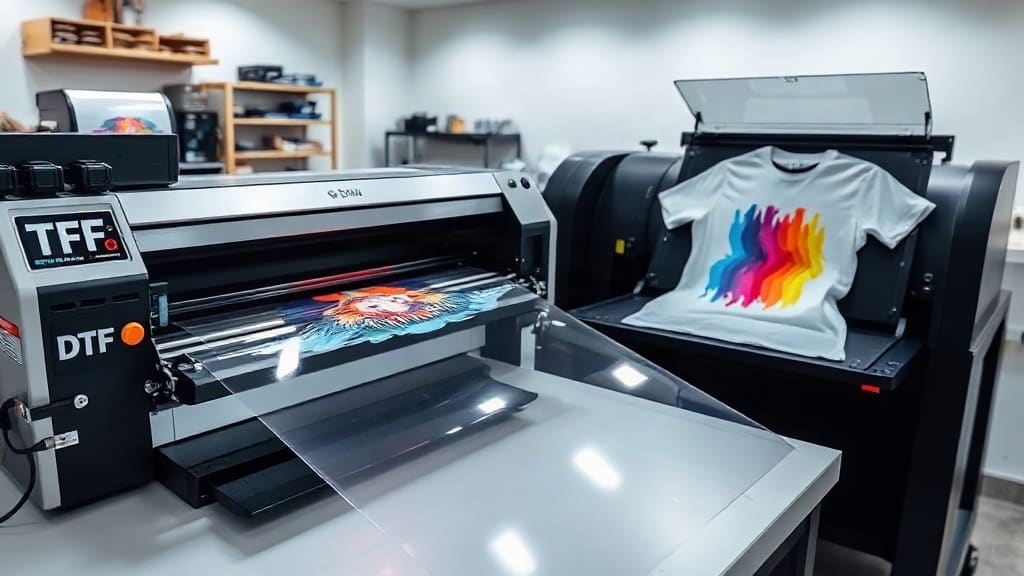
DTF printing has revolutionized the custom apparel industry, offering a versatile and cost-effective way to produce vibrant designs on a wide range of fabrics. Whether you're a small business owner, a hobbyist, or a large-scale manufacturer, understanding this technology can open up new opportunities. In this comprehensive guide, we'll dive deep into how DTF works, what you need to get started, and how to achieve professional results.
What Is DTF Printing?
DTF, short for Direct-to-Film, is a printing method where your design is printed onto a special PET film using a DTF printer and specialized inks. After printing, an adhesive powder is applied to the wet ink, and the film is passed through a heat source to cure the powder. The final step is transferring the design onto a substrate, typically fabric, using a heat press. This process allows for high-detail, full-color prints that are soft to the touch and highly durable.
How Does DTF Printing Work?
Understanding the step-by-step process can help you troubleshoot common issues and optimize your workflow.
The Printing Process
- Design Creation: Start with a high-resolution digital file. The design is printed in reverse (mirrored) so that it appears correctly when transferred.
- Printing: The DTF printer lays down CMYK plus white ink onto the PET film. The white ink acts as a base to ensure colors pop on dark fabrics.
- Adhesive Application: While the ink is still wet, a hot-melt adhesive powder is spread evenly over the printed area. This powder is what bonds the design to the fabric.
- Curing: The film is then heated (usually in a powder curing oven or with a heat press) to melt the adhesive powder and set the ink.
- Transfer: The cured film is placed on the garment, and a heat press applies pressure and heat (typically 160°C for 15 seconds) to transfer the design.
- Peeling: After pressing, the film is peeled away, leaving the design permanently fused to the fabric.
Equipment and Materials Needed
To start with DTF, you'll need specific equipment and consumables.
- DTF Printer: This can be a converted Epson printer or a dedicated DTF machine. Key features include a white ink circulation system to prevent settling.
- PET Film: Specially coated film that accepts the ink and releases it during transfer. Choose the correct side for printing.
- DTF Inks: Pigment-based inks that include CMYK and white. High-quality inks ensure color vibrancy and durability.
- Adhesive Powder: A thermoplastic powder that melts under heat to create a bond.
- Heat Press: Essential for curing the powder and transferring the design. A clamshell or swing-away press works well.
- Powder Curing Oven or Dryer: Not strictly necessary but speeds up production for larger volumes.
Advantages of DTF Printing
DTF offers numerous benefits that have made it a favorite among apparel decorators.
Versatility with Fabrics
Unlike some methods that only work on cotton, DTF can be applied to cotton, polyester, blends, nylon, and even leather. This makes it ideal for a wide range of products like t-shirts, hoodies, bags, and hats.
Durability and Feel
Prints are stretchable and resistant to cracking, peeling, or fading. The transfer has a soft hand-feel, making it comfortable for garments worn directly against the skin.
Cost-Effectiveness for Small Runs
With no screen setup costs, DTF is perfect for on-demand printing or custom orders in small quantities. You can print a single item economically.
No Weeding
Unlike vinyl, there's no weeding involved. The design comes out clean, saving time and labor.
DTF vs. DTG vs. Sublimation
Choosing the right printing method depends on your needs. Here's how DTF compares to other popular techniques.
DTF vs. DTG
Direct-to-garment (DTG) is excellent for high-quality prints on cotton but usually requires pre-treatment and is slower. DTF is faster, works on more fabrics, and offers similar quality.
DTF vs. Sublimation
Sublimation is limited to polyester and light-colored fabrics. DTF works on both light and dark, and on natural fibers, making it more versatile.
Common Mistakes and How to Avoid Them
Even experienced printers can face issues. Here are tips to ensure smooth sailing.
- Use the Correct Film Side: Printing on the wrong side will cause ink to smear. Check the manufacturer's instructions.
- Shake White Ink: White pigment settles quickly. Agitate the ink regularly to prevent clogs and uneven coverage.
- Apply Even Powder: Too much powder leads to a thick, stiff print; too little results in poor adhesion. Use a shaker or powder applicator for consistency.
- Adjust Heat Press Settings: Follow the temperature and time recommendations. Too high heat can scorch the fabric; too low will not fuse properly.
- Test Before Full Run: Always test on a sample to fine-tune colors and pressure.
Tips for Stunning DTF Prints
To get the best results, pay attention to your design and workflow.
- Resolution Matters: Use high-res images (300 DPI) to avoid pixelation.
- White Ink Underbase: For dark fabrics, ensure sufficient white ink layer to prevent colors from being dulled.
- Print in Reverse: Always mirror your design horizontally.
- Cure Properly: The adhesive powder must melt completely to achieve a strong bond. If prints wash off, your curing temperature or time is off.
- Store Film Properly: Keep PET film away from heat and sunlight to prevent premature sticking.
Applications of DTF Printing
DTF is not just for t-shirts. You can create custom merchandise, promotional items, and even personalized accessories. Many businesses use DTF to produce sports jerseys, workwear, and fan gear with intricate designs.
Because the prints are durable, they withstand regular washing and wear, making them ideal for items that see heavy use.
Frequently Asked Questions
Can DTF prints be washed and dried?
Yes, DTF prints are highly durable. For best results, wash garments inside out in cold water and tumble dry on low. Avoid using bleach or fabric softeners.
Do I need a special printer for DTF?
Yes, you need a printer that supports DTF inks and has a white ink circulation system. Standard inkjet printers are not suitable because white ink can clog.
Can DTF be used on 100% polyester?
Absolutely, DTF works on polyester and polyester blends. The ink bonds well, and the transfer withstands the stretch of athletic wear.
How long does a DTF transfer last?
With proper application and care, DTF prints can last as long as the garment itself. They resist cracking and peeling better than many other methods.
Is DTF printing expensive to start?
Initial investment includes the printer, heat press, and consumables. While it can cost a few thousand dollars, the low per-unit cost and versatility make it a worthwhile investment for serious decorators.
Conclusion
DTF printing is a game-changer in the custom apparel industry. Its versatility, durability, and efficiency make it an attractive option for businesses of all sizes. By understanding the process, investing in quality equipment, and following best practices, you can produce stunning products that keep customers coming back. Whether you're expanding your services or starting fresh, DTF offers a reliable path to success.